By Way of Water
The group-exhibition By Way of Water, curated by Annika Reketat and me, took inspiration from confluences – the points where different bodies of water meet – to dissolve rigid boundaries and categorizations in the ways we relate to each other and to our (urban) surroundings. The exhibition united six artistic positions across various media to explore how space can be inscribed, read, and (re-)interpreted through the lens of hydro-cartographic and hydro-feminist approaches. We approached this exhibition as a research into the open-ended question of how water shapes our perception of, and relation to, our environment, and how they may foster a sense of belonging.
It was accompanied by a series of events such as artist-scientist talks, Audio-activations, Guided Artist-led tours and a special program on occasion of the Day of the River. And was concluded in an reflective essay & documentation-poster.
with:
Mirja Busch
Thesea Rigou Efstathopoulos
Anton Filatov
Sanne Vaassen Claire Waffel
U8 Kollektiv (Laurence Ermacova) with Rabab Haidar
Curated by :
Annika Reketat & Cleo Wächter
Date:
02.08.2024 – 13.10.2024
Place:
Bärenzwinger Berlin
Exhibition
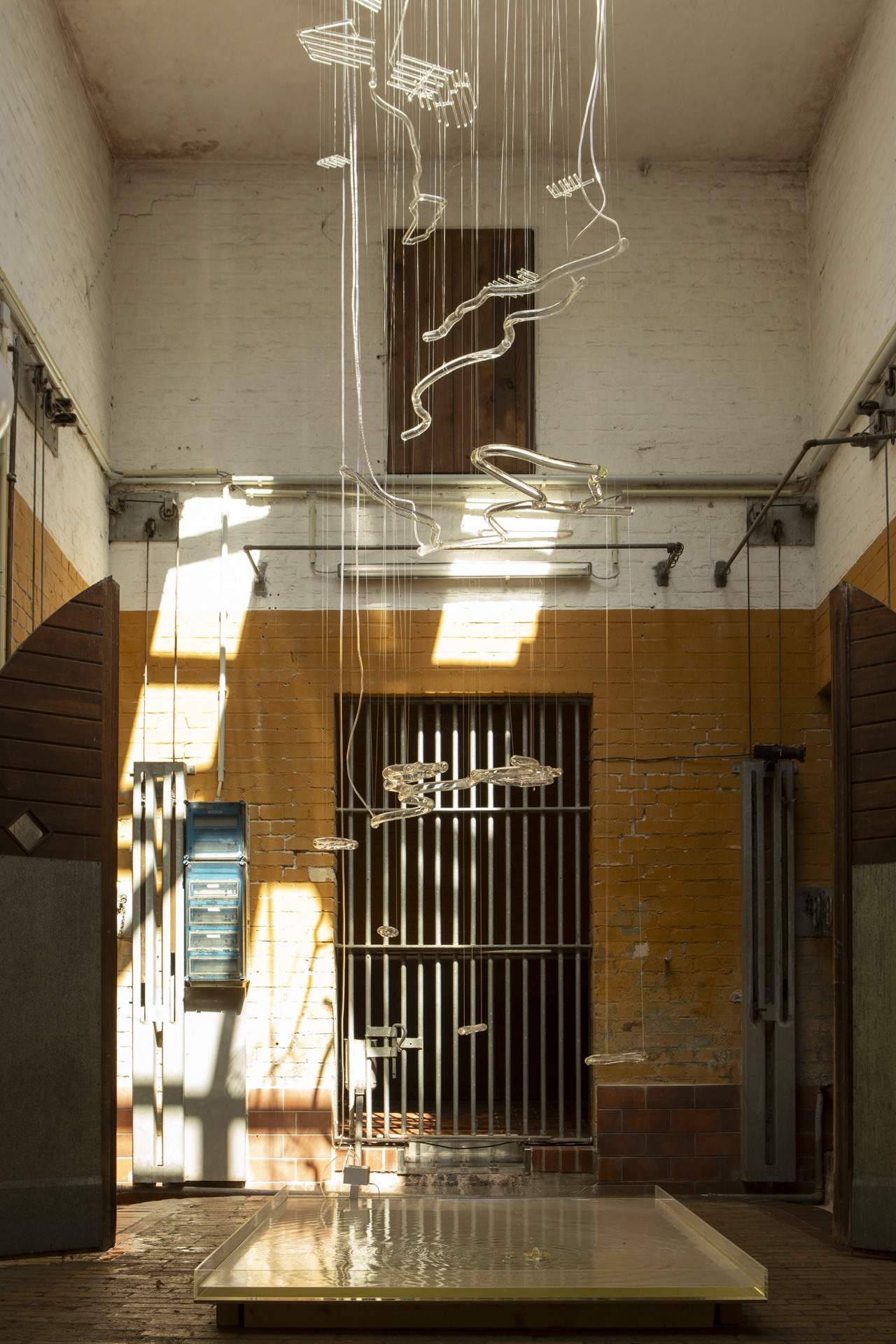
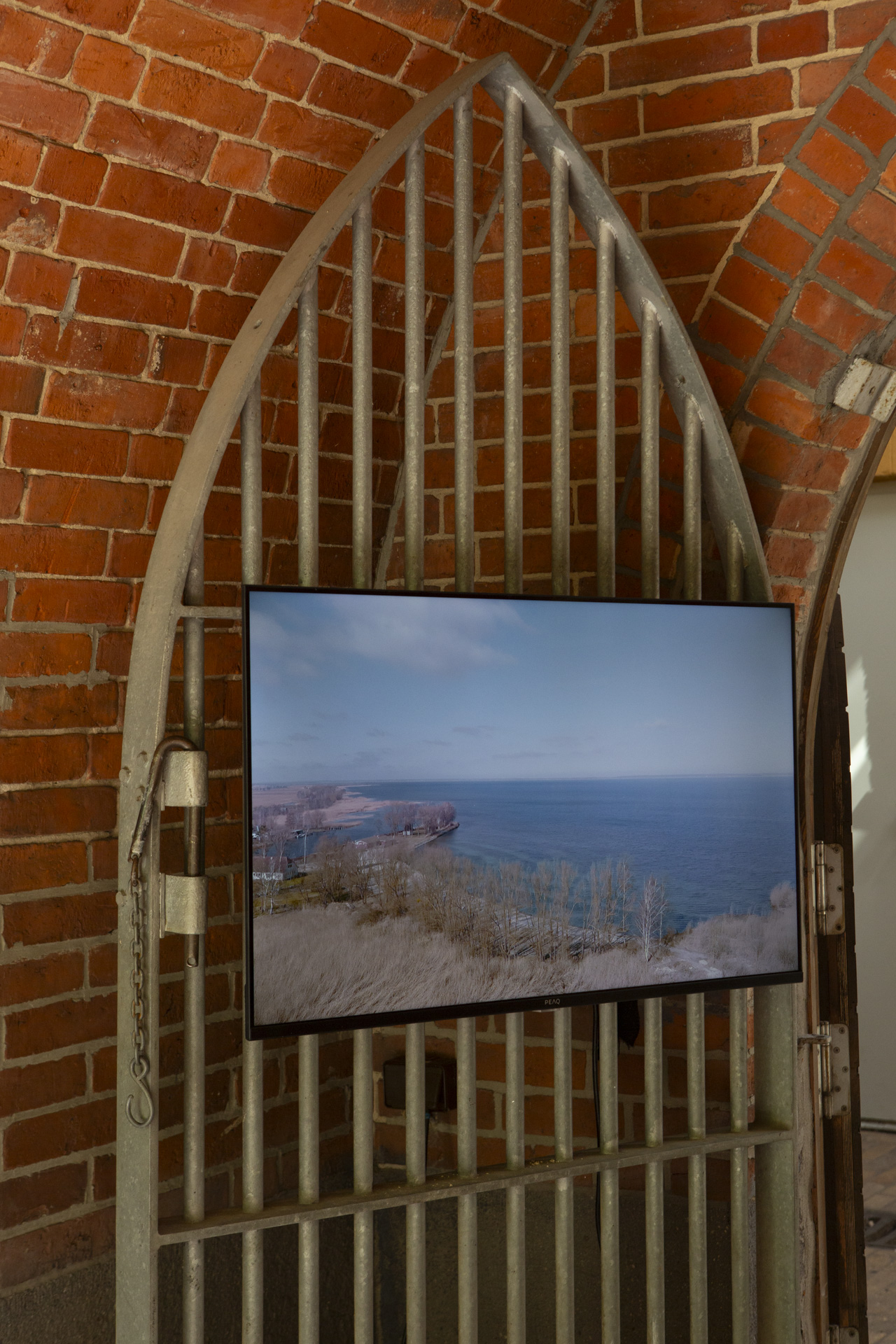
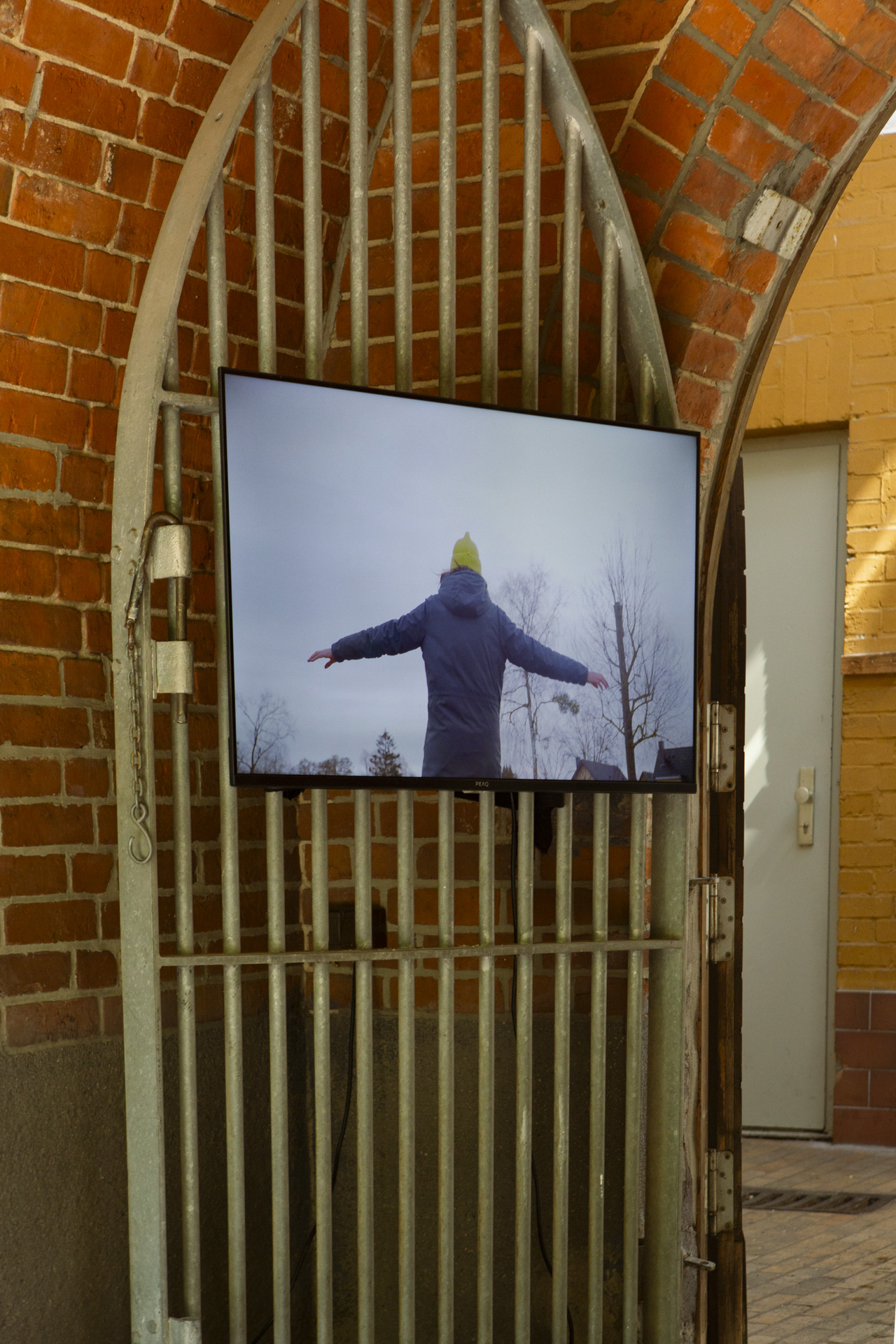
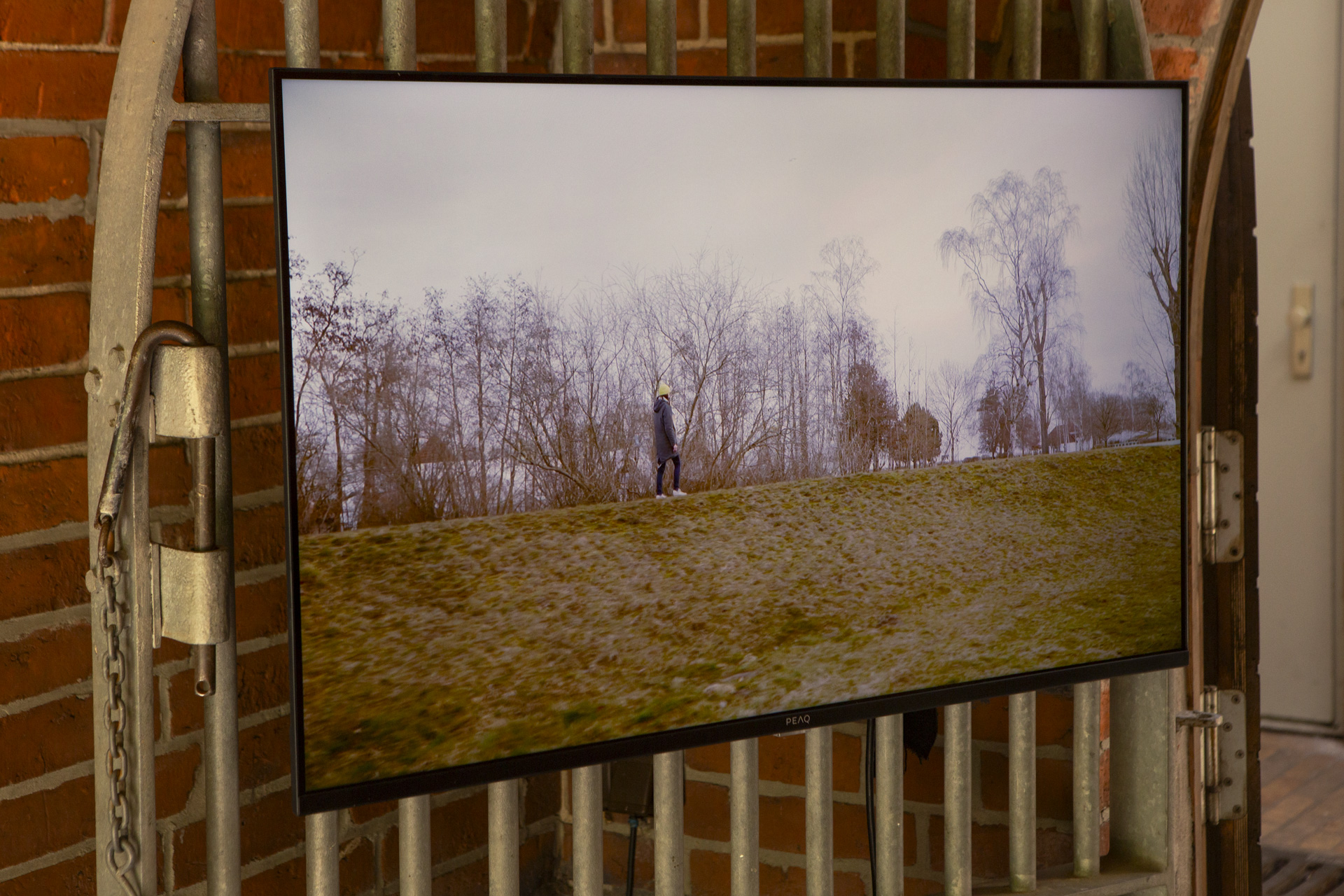
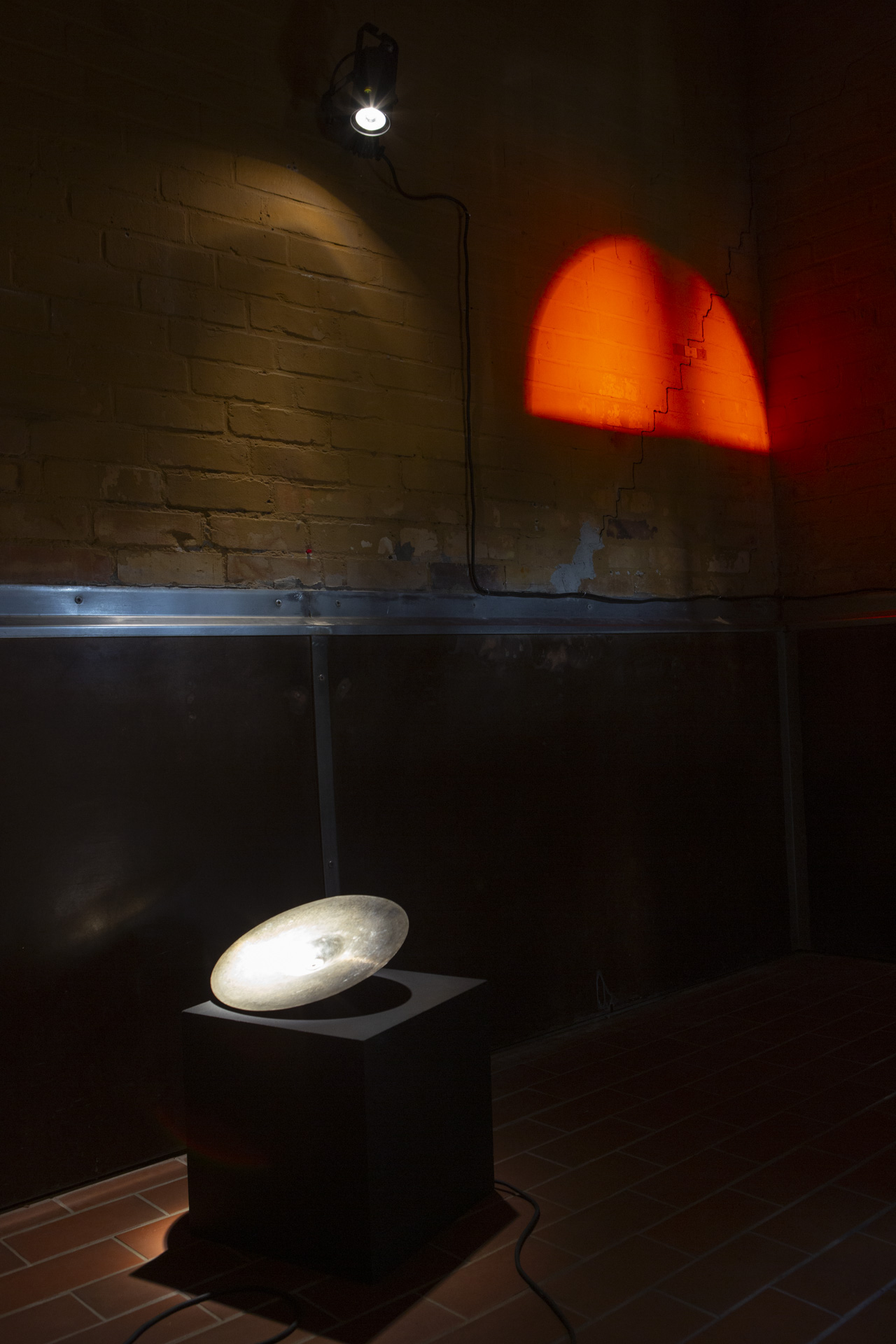
Curatorial Text
By Way of Water
Auf dem Wege des Wasser
Drops form circles on a surface. Constant dripping hollows out the stone. Puddles spread out on the pavement. Two streams flow together – you can't tell one from the other. Our conversations last as long as our walks along the banks. Thoughts emerge, disappear, reappear, like ebb and flow.
By way of water,
we share stories, memories flowing seamlessly between us,
shaping our connection like rivers carving through landscapes.
we share stories, memories flowing seamlessly between us,
shaping our connection like rivers carving through landscapes.
By way of water,
we build our lives, inscribing our surroundings
with a sense of home and belonging.
Water has always been our connective thread. We impose our influence on it, and throughout the centuries, it has also influenced and shaped us. Water naturally draws us to it. It has been the foundation upon which we have built civilizations and along its bank we settled: streams evolving into rivers and canals, shaping city locations, determining our ways and journey, leaving its geological marks on the earth, fostering a sense of belonging.
By Way of Water is an invitation to explore and to rethink our interactions with water and its role in defining our environments by employing the frameworks of hydro-cartography and hydro-feminism. These approaches offer a nuanced and interconnected perspective on how we inhabit and relate to the (watery) spaces we occupy and other forms of life within them.
As beings whose bodies are mostly fluid, there is no clear boundary between us and water. Yet, we often perceive this element as something alien or resistant, needing regulation and control. We monetize rainwater through stormwater fees, build dams to tame rivers, often at the expense of natural habitats and ecological balance. Flood protection structures like dykes and sea walls reflect our attempts to guard against the unpredictable power of water, though these measures frequently disrupt the natural dynamics of coasts and rivers. At the “Spree Summit,” discussions focused on preventing the Spree River from drying up, with one proposal suggesting importing water via pipelines from the Elbe or the Oder.
By Way of Water draws inspiration from confluences—points where different bodies of water merge—to challenge rigid boundaries and classifications in how we interact with each other and our environment. The exhibition seeks to explore where there might be confluences between water, space, and human experience from the perspectives of hydro-cartography and hydro-feminism: Hydro-cartography is a method of mapping that focuses on the dynamic and fluid nature of water bodies. Unlike traditional cartography, hydro-cartography emphasizes the changing, interconnected aspects of water. Hydro-feminism, inspired by thinkers like Astrida Neimanis, explores the fluid connections between human and non-human water bodies. It highlights their mutual influence and calls for a nuanced and inclusive approach to understanding and managing water, recognizing the complex and reciprocal relationships between human societies and natural water systems.
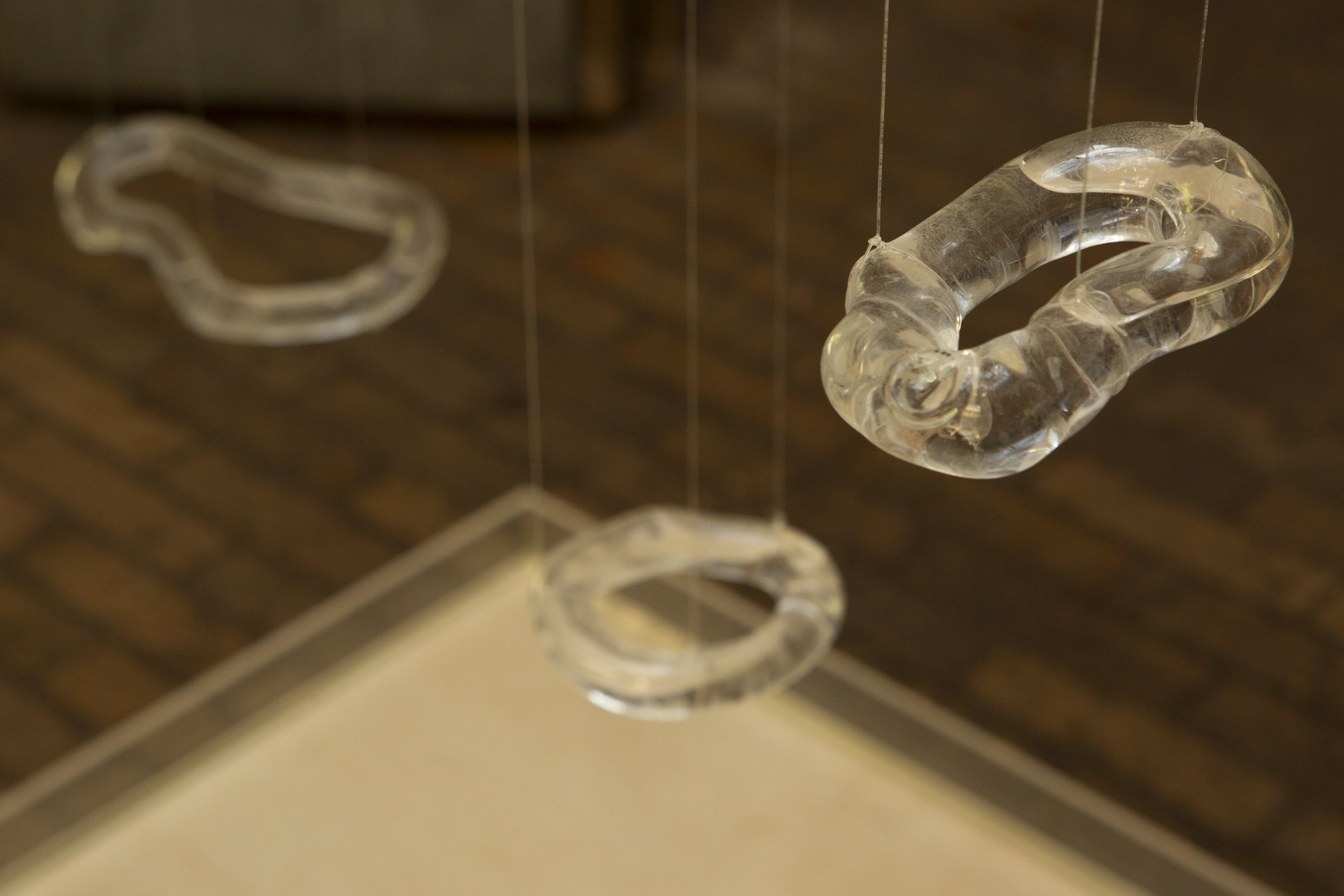
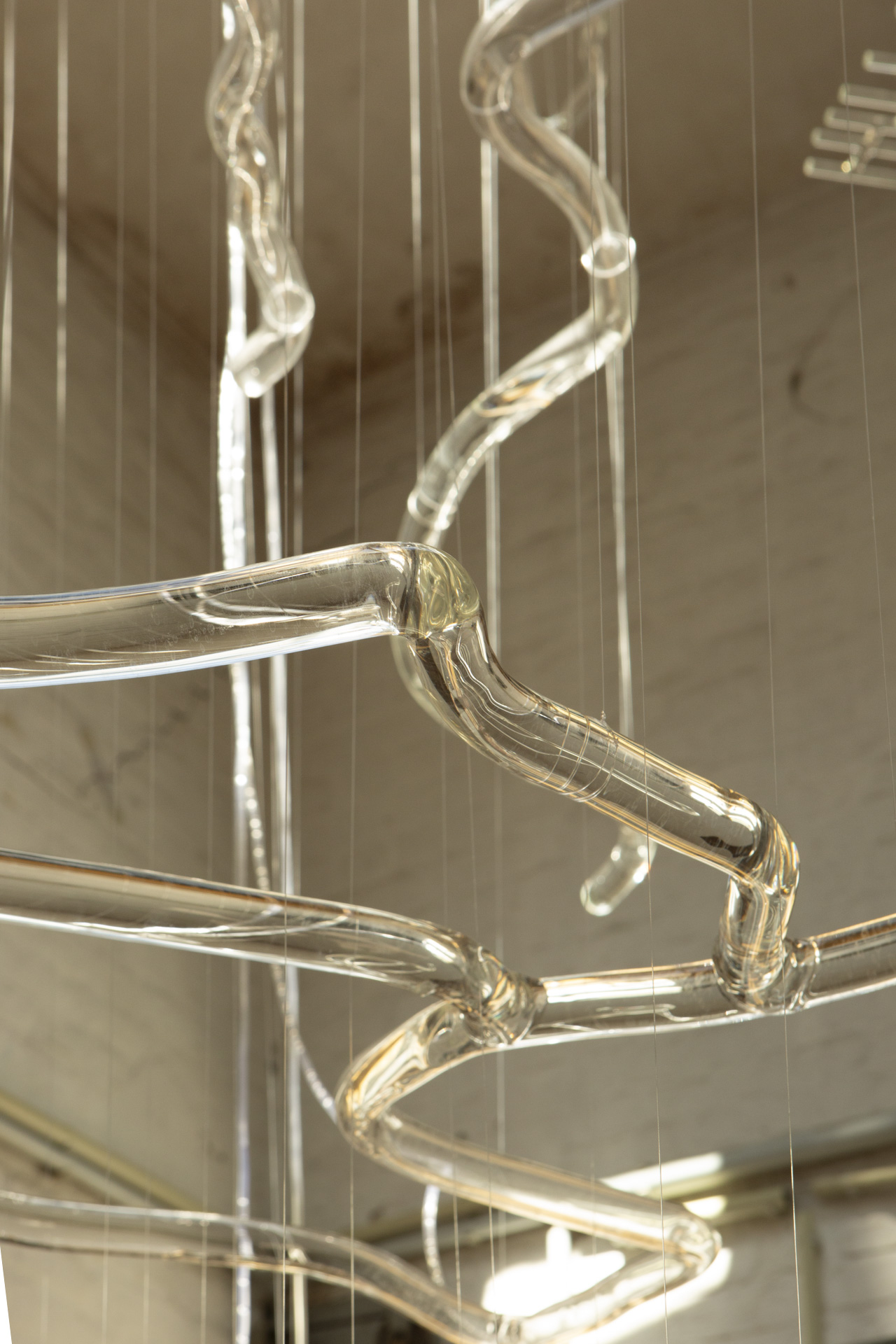
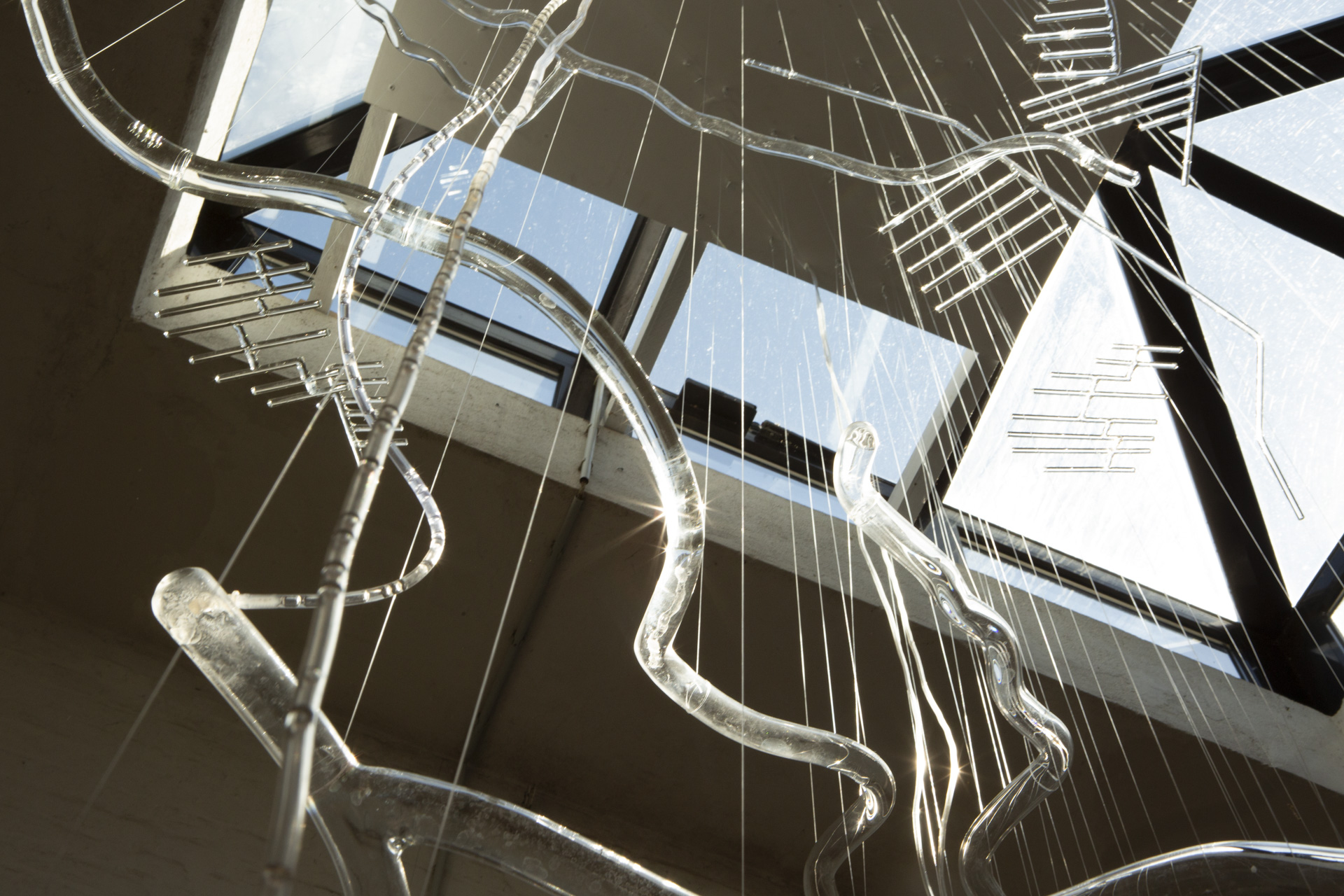
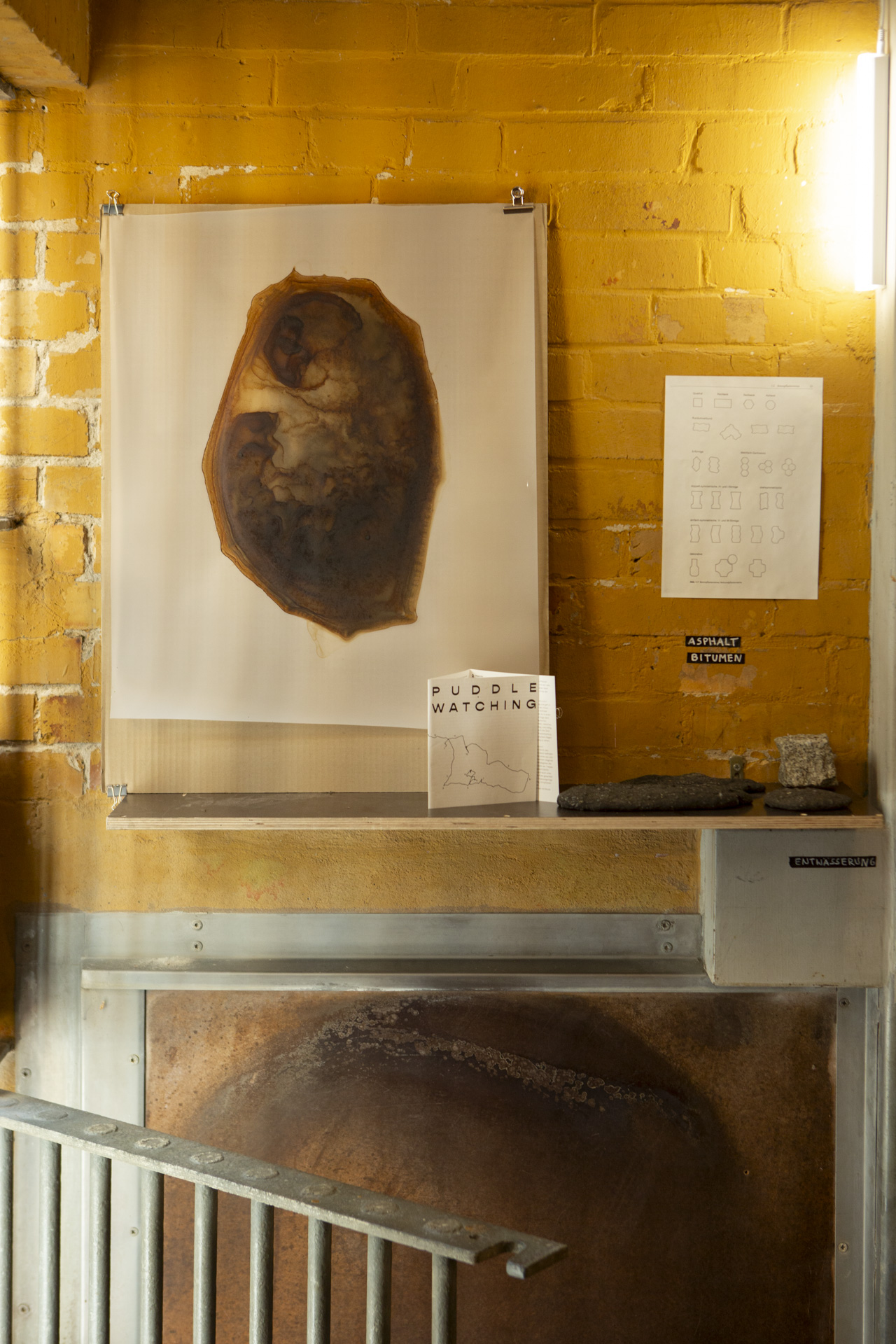
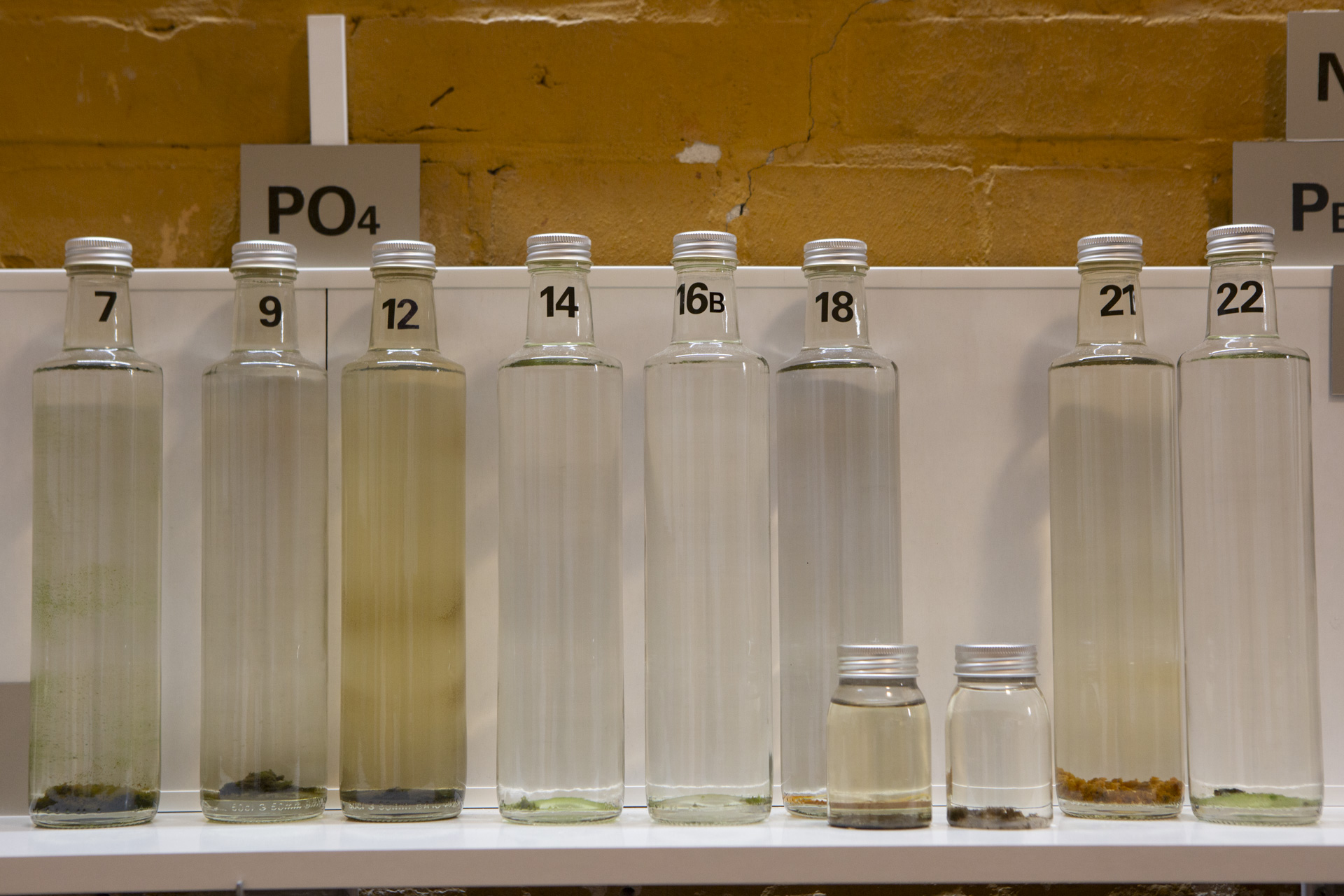
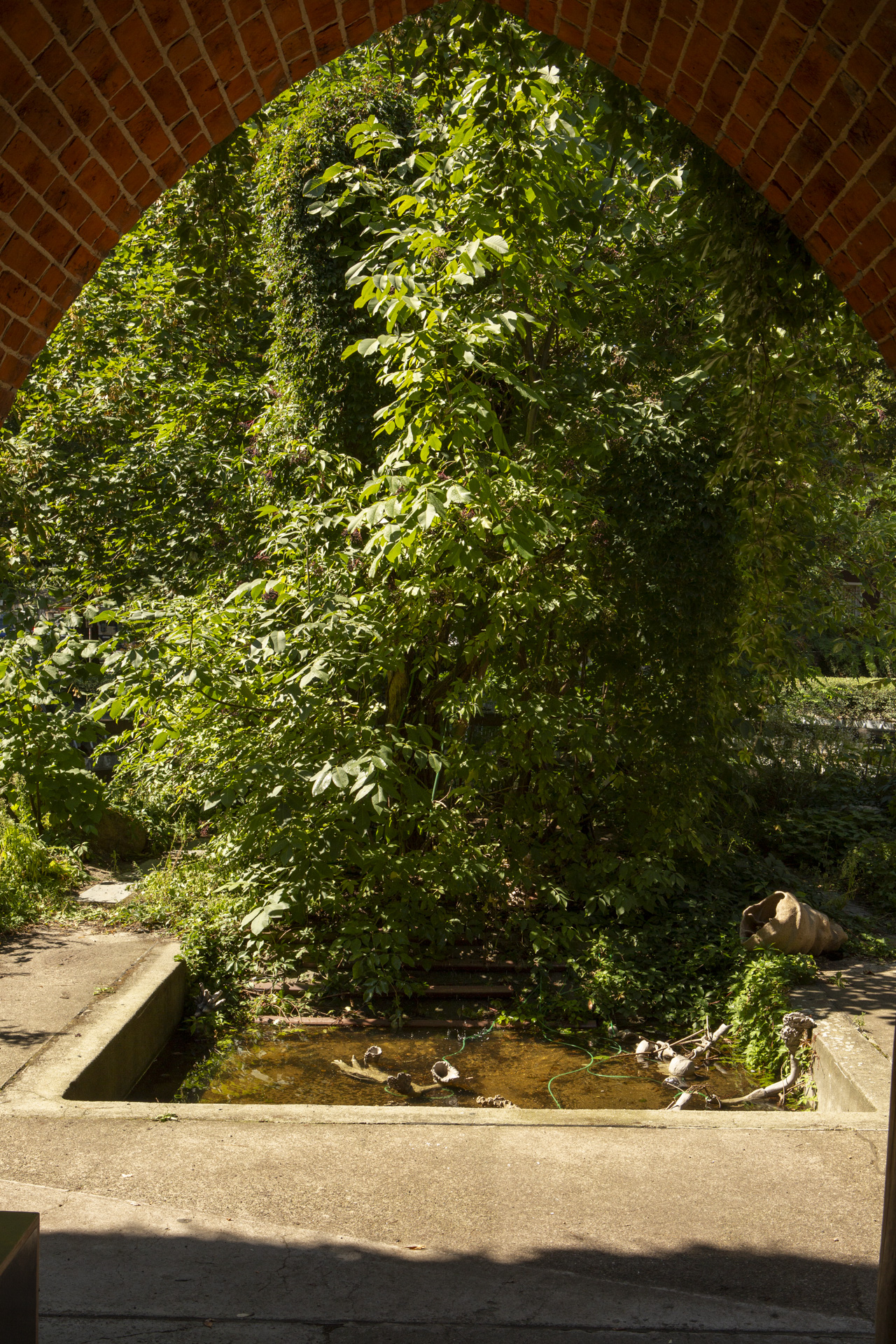
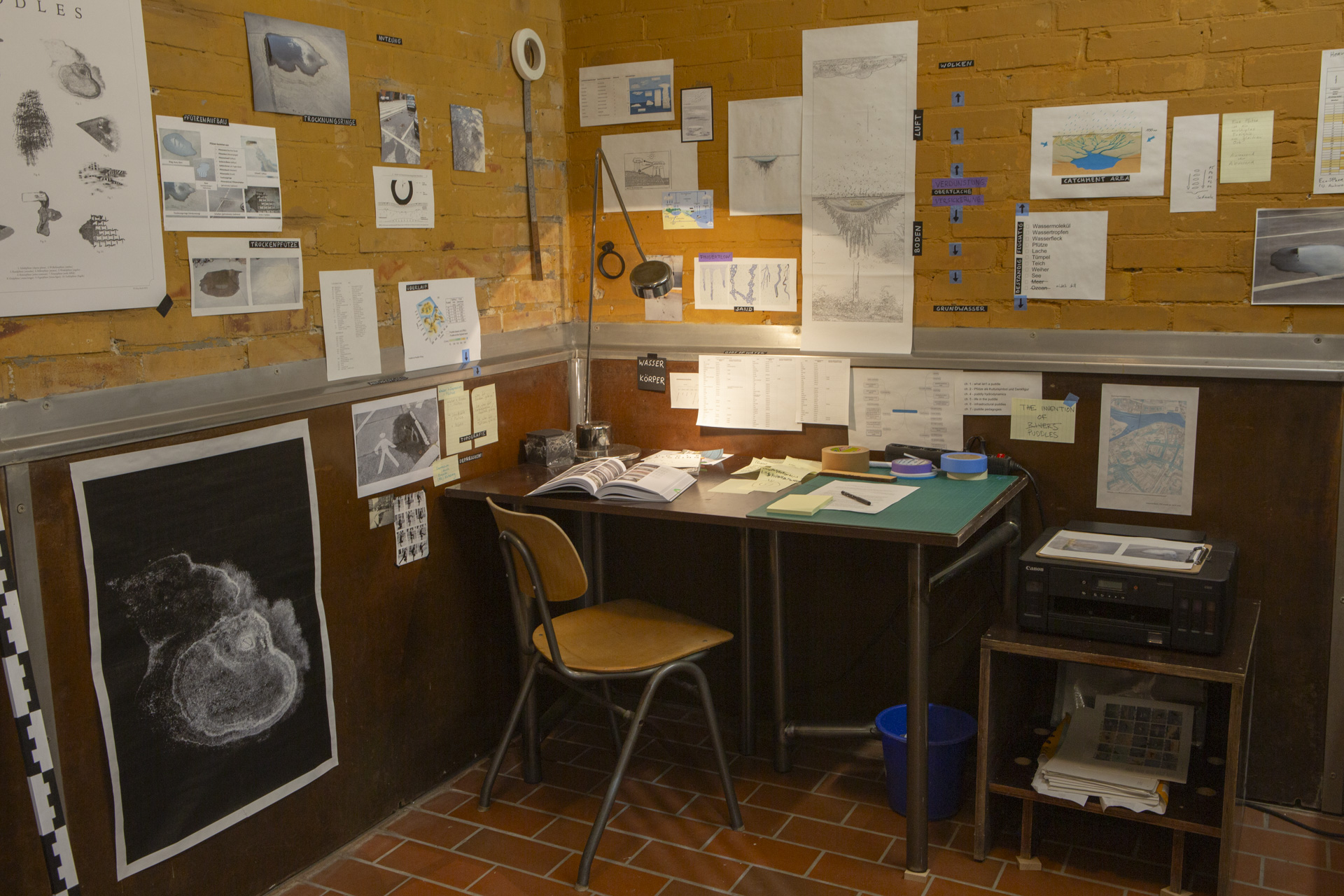
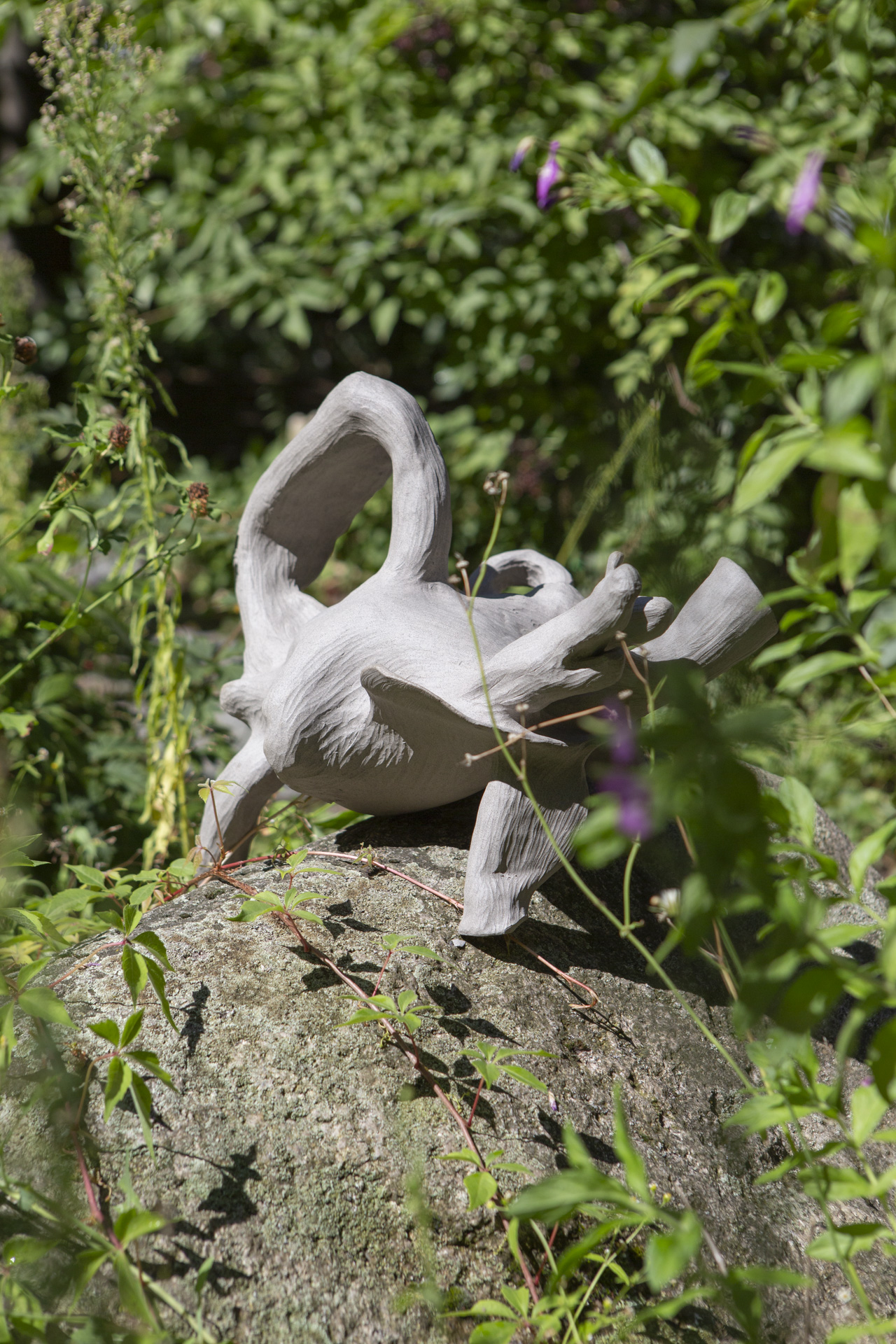
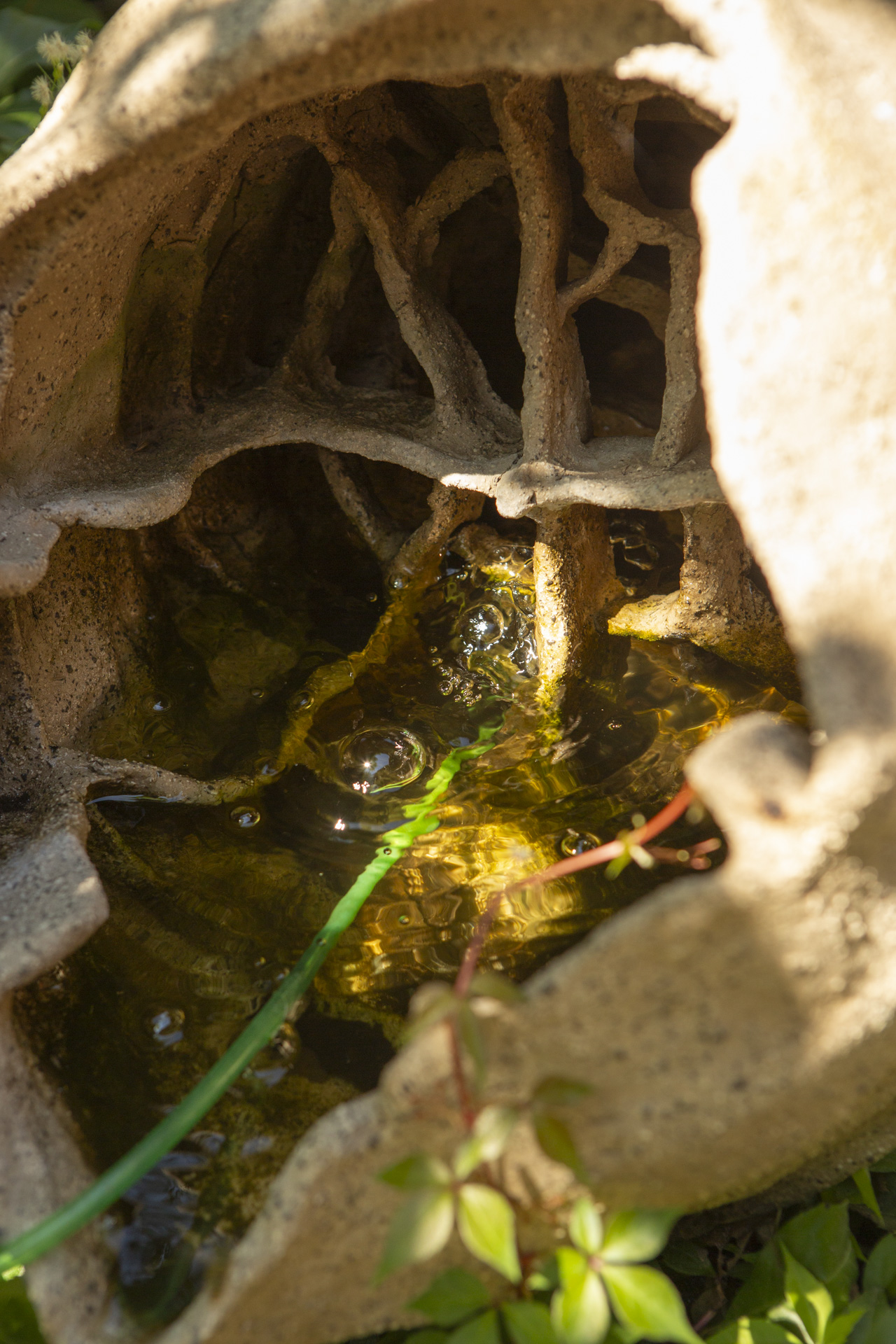
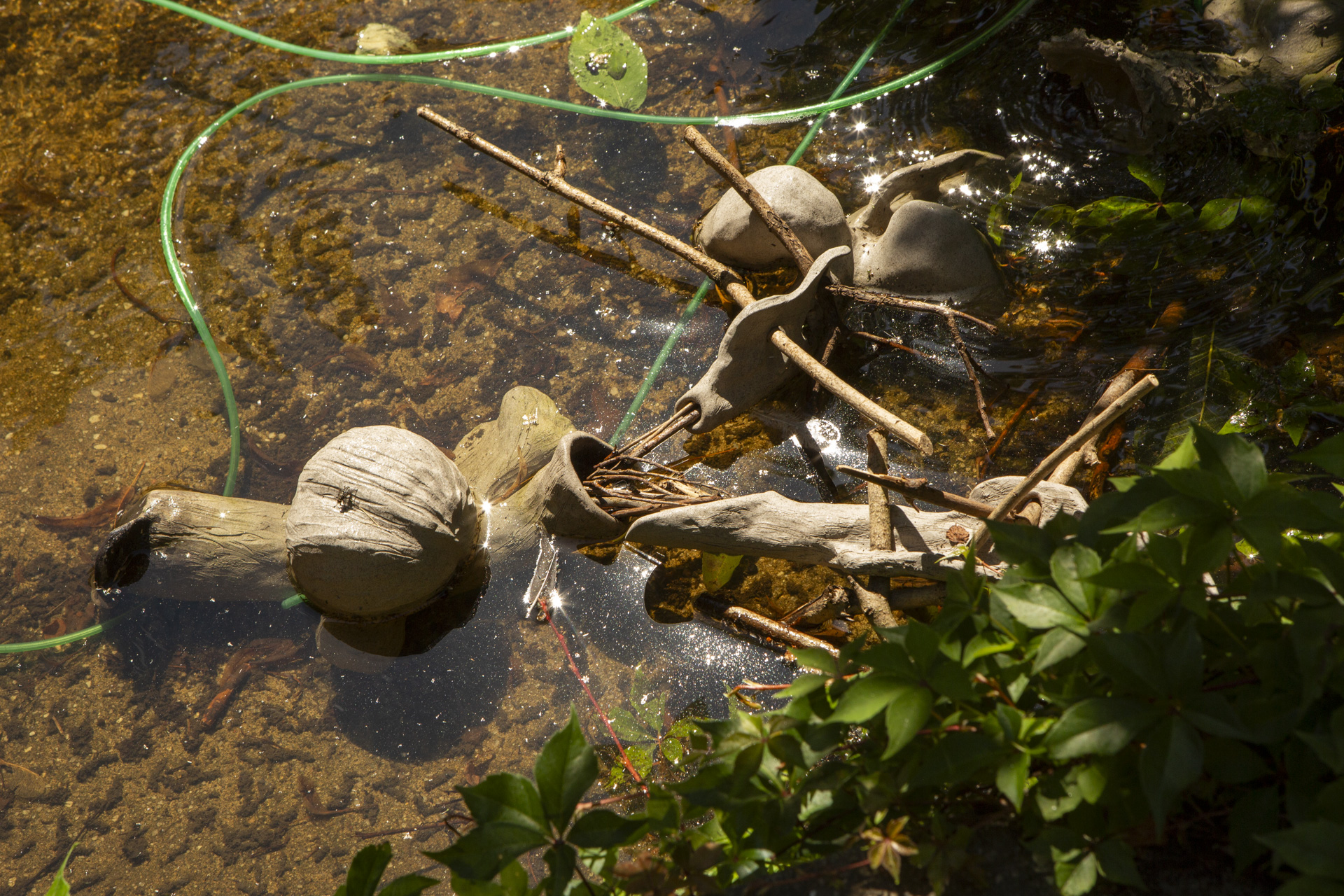
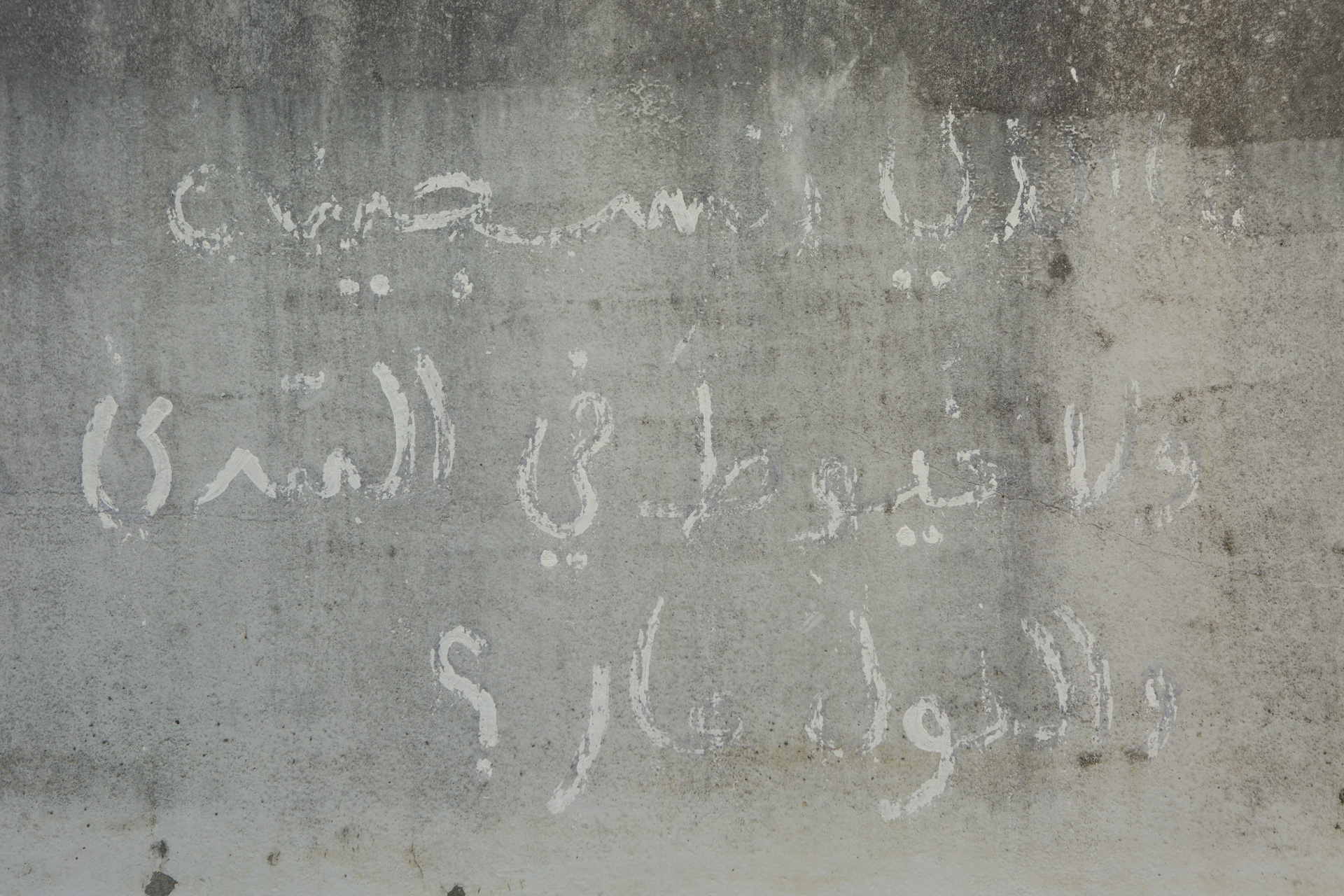
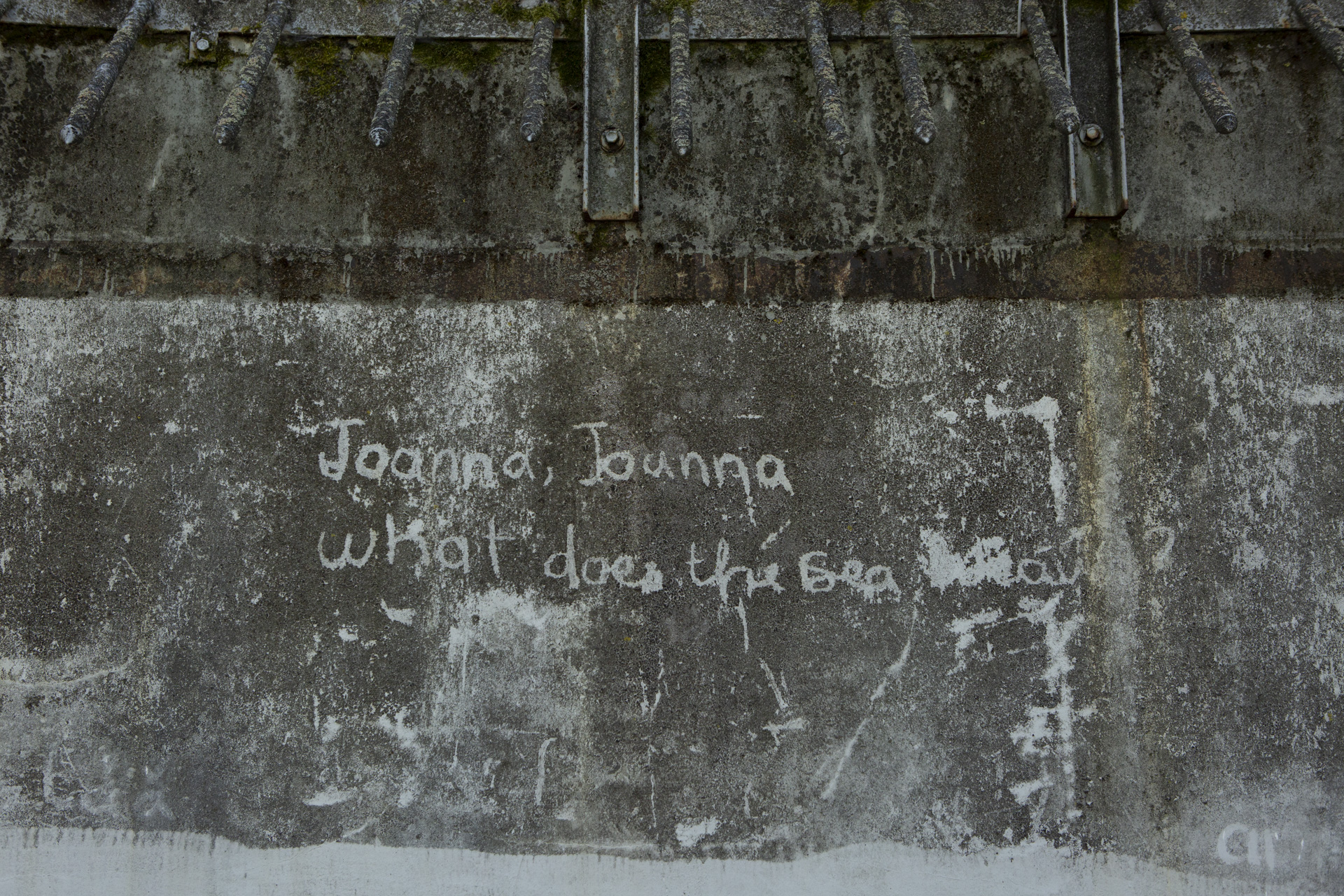
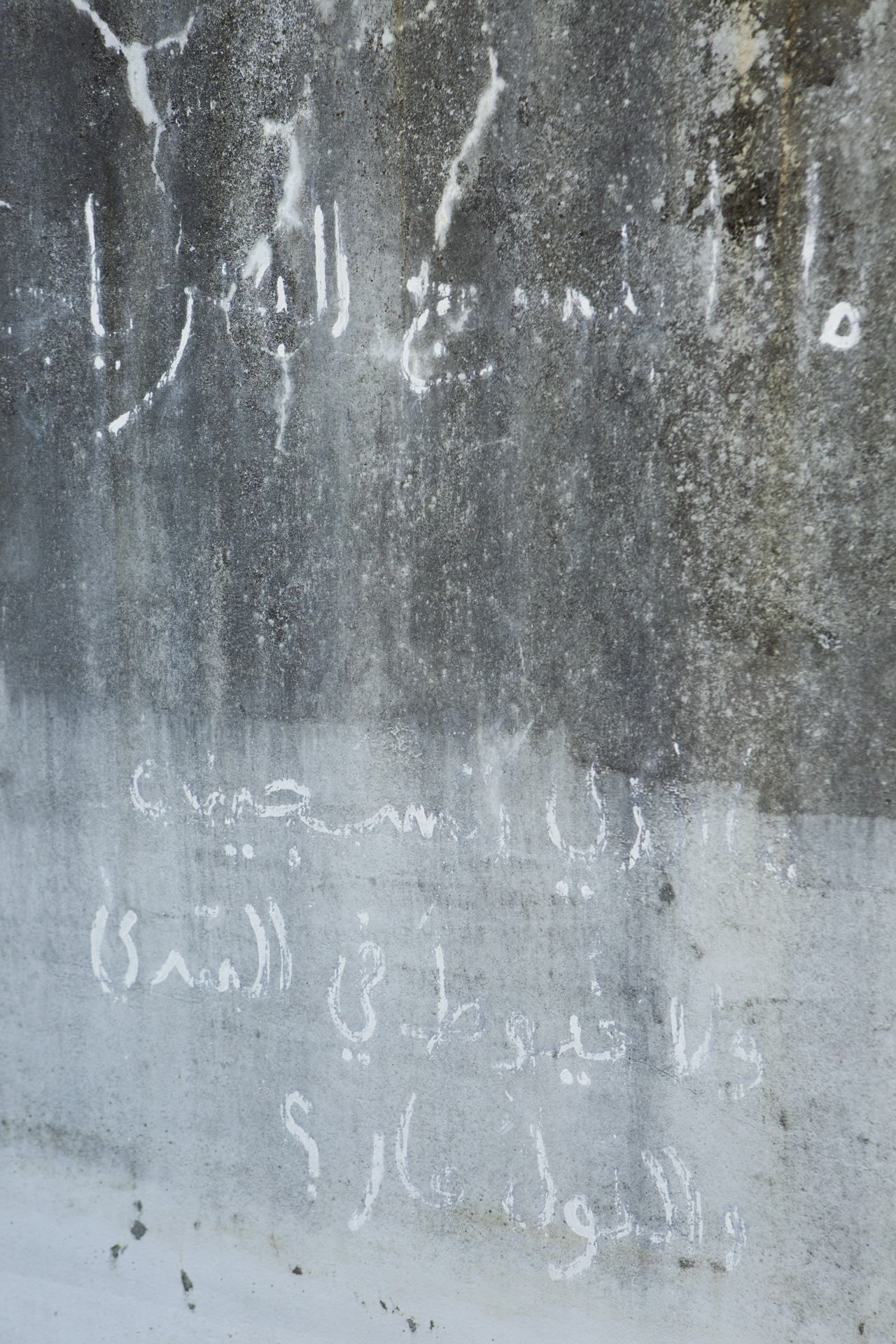
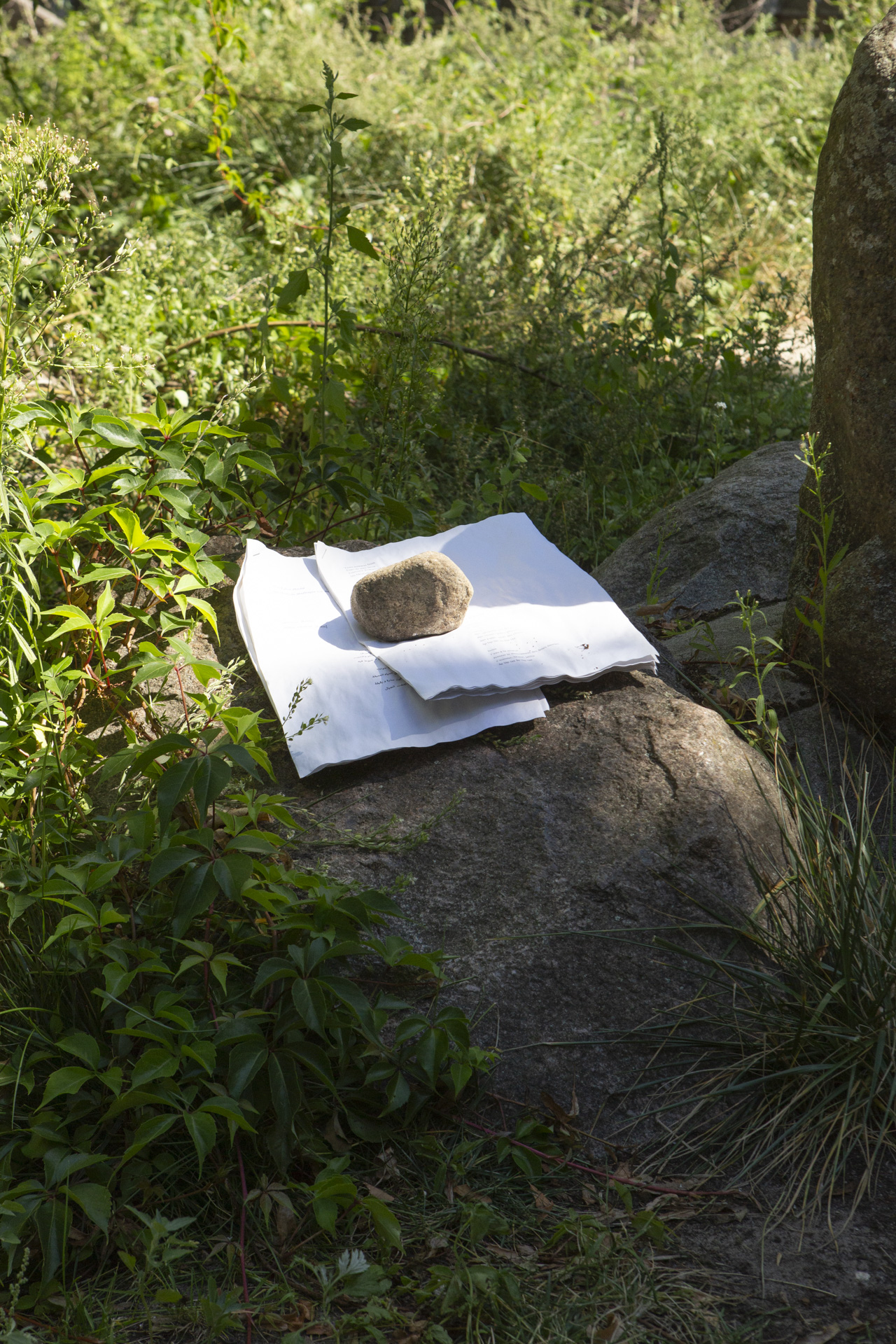
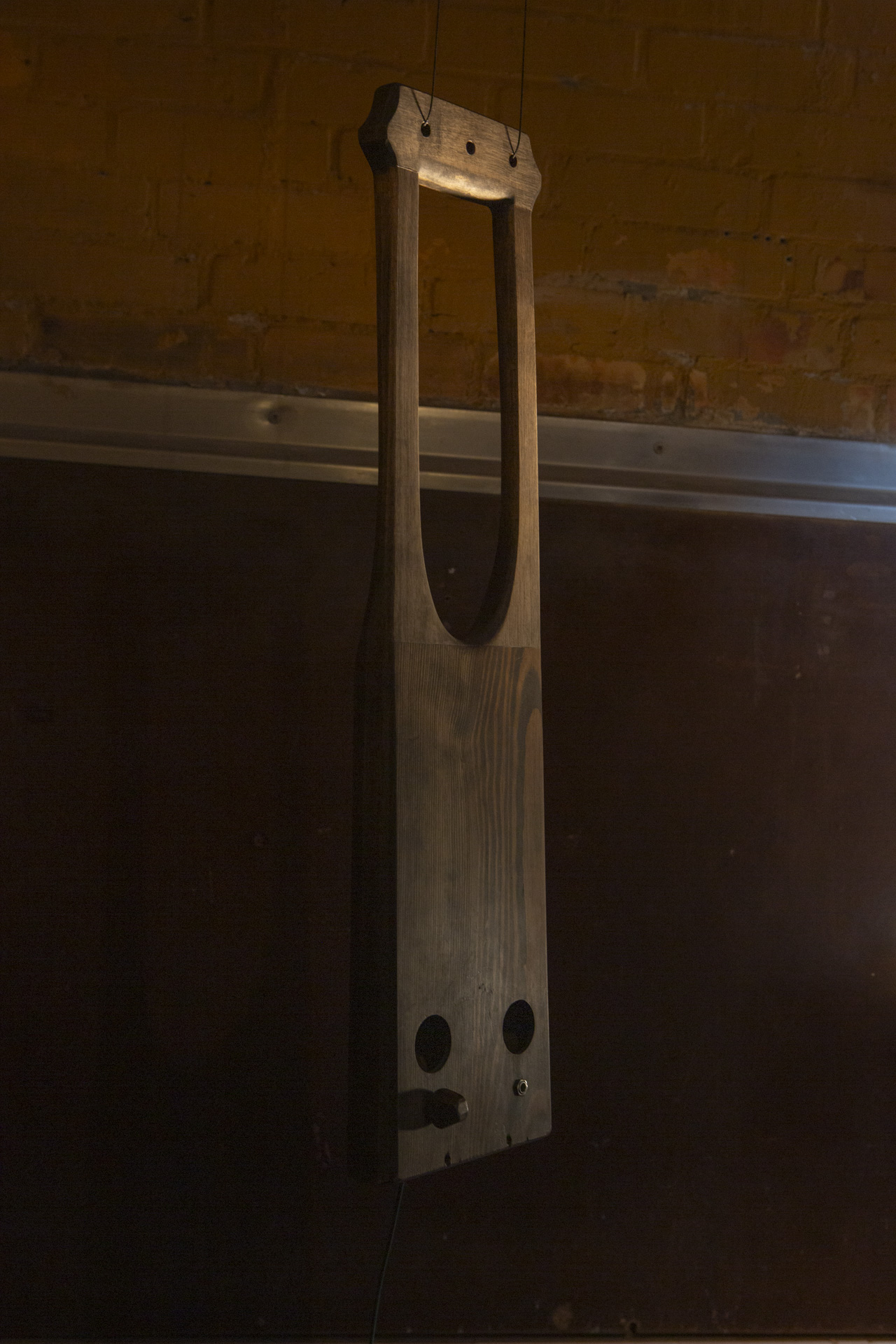
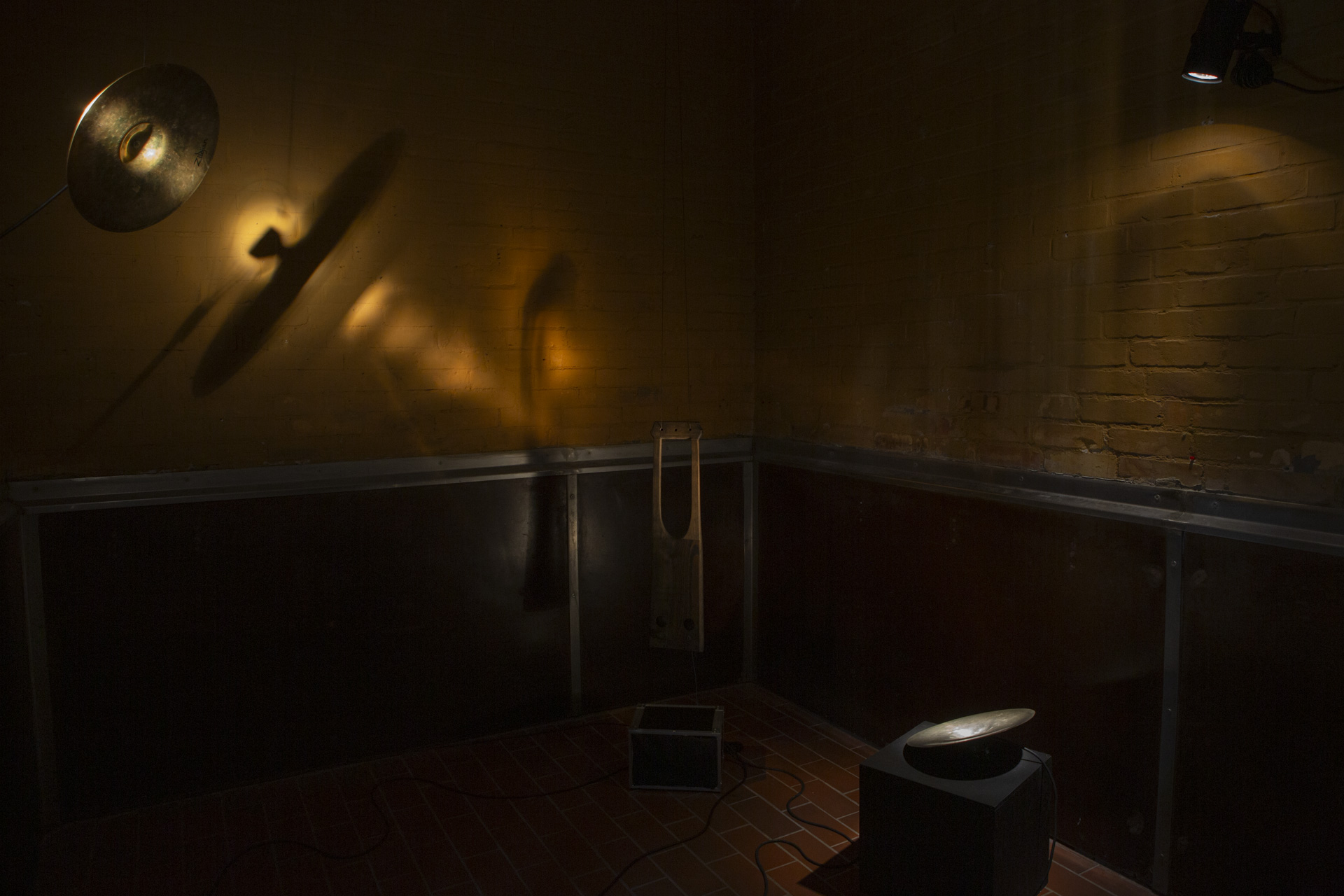
By Way of Water features six artists who explore water from these perspectives. Sanne Vaassen’s Shaped by Water visualizes the historical evolution of Utrecht’s waterways that were once ancient curvy rivers and have over the centuries been straightened into canals. Thesea Rigou Efstathopoulos’ stay with the trouble II uses a temporary pond and sculptures to examine the interplay between human and natural processes. Laurence Ermacova and Rabab Haidar's ăp lăp lăă ăp lăp lăă illustrates how language captures the fleeting nature of water and can be a way of inscribing a place with new meanings. Anton Filatov’s Belonging Sea explores themes of identity and belonging through sound and light, inspired by the Volga–Caspian confluence. Claire Waffel’s video I Cannot See the Ocean from Here addresses how rising sea levels impact territorial boundaries. Mirja Busch’s Institut für Pfützologie studies puddles, highlighting their ecological and cultural importance.
With By Way of Water and the artistic positions it unites, we aim to transform the Bärenzwinger itself into a point of confluence, referencing the fact that the name “Berlin” does not derive from the word “bear,” the city's emblematic animal and former inhabitant of this place, but from the Slavic word “Berl” meaning “swamp.”
We invite you to follow the sounds, forms and ways of the water and sink in.
–
Annika Reketat & Cleo Wächter
Berlin, August 2024
Events
![]()
![]()
![]()
![]()
![Eintauchen August 2024, Thesea Rigou Foto: Helena Ommert]()


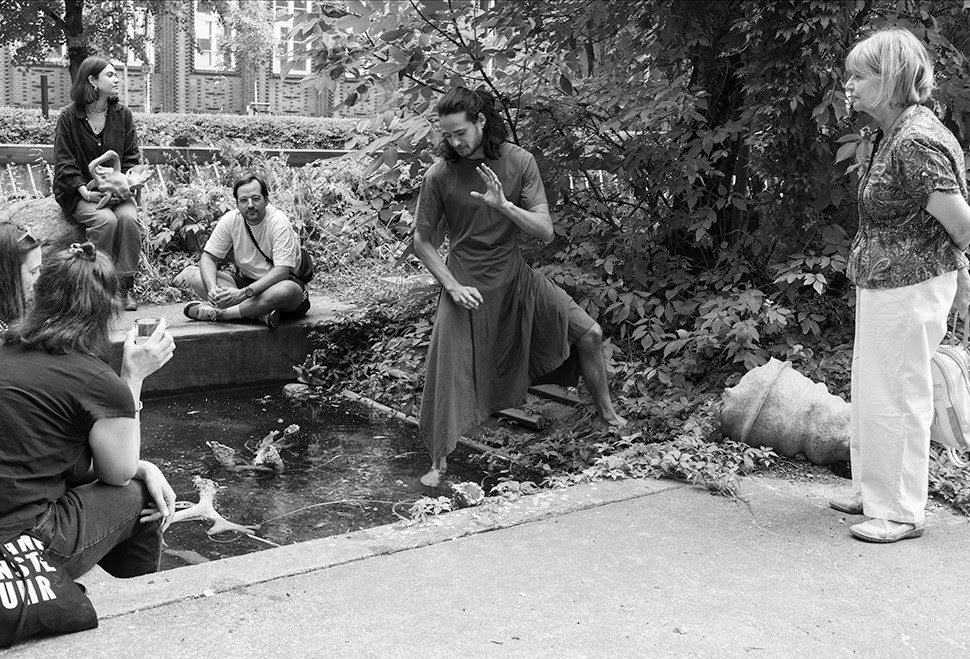
Impressions Opening with Performance by Singen3000, Water Histories
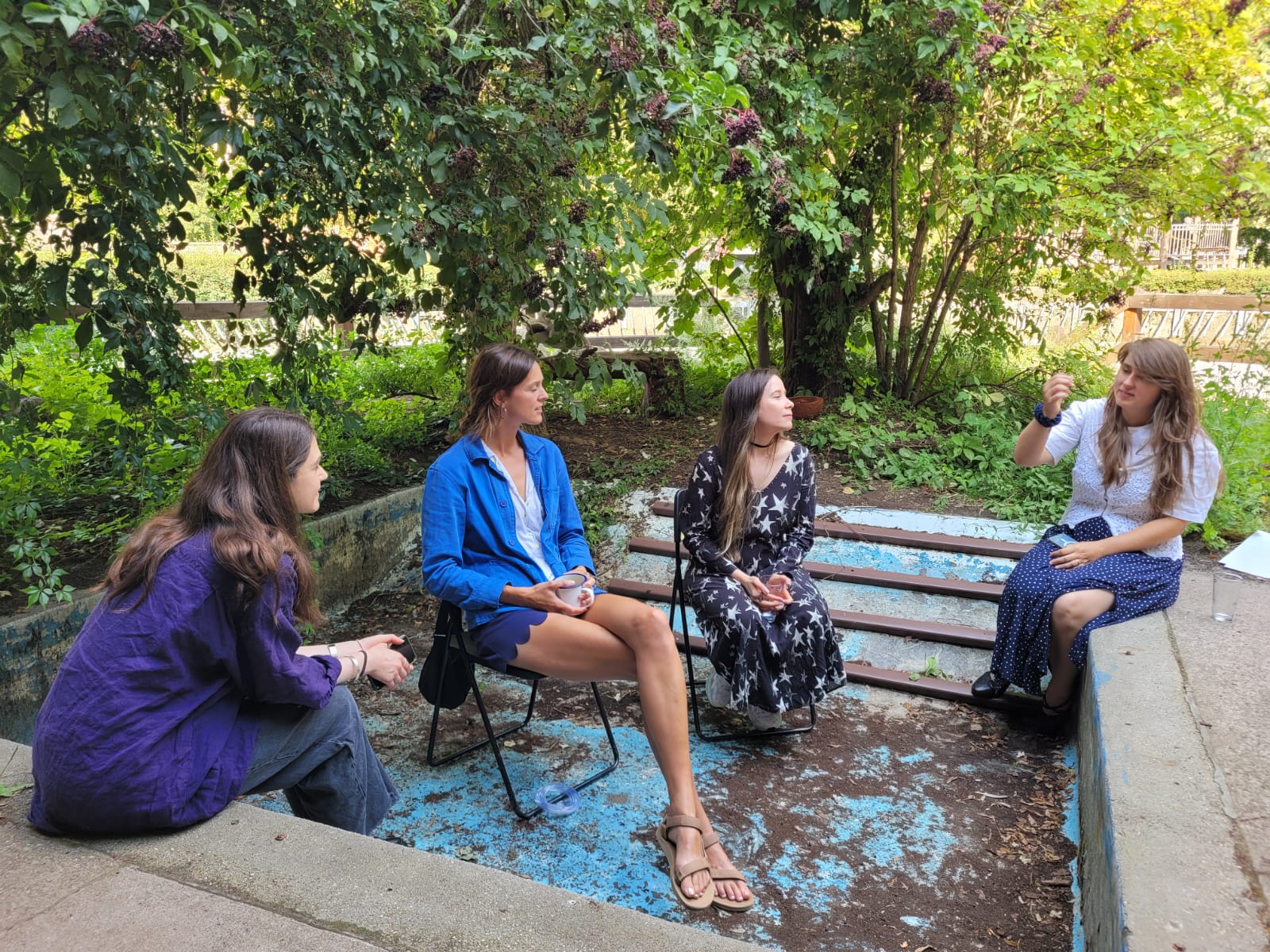
Artist & Scientist Talk with Sanne Vaassen & Alejandra Vila (IGB Leibniz) Plunging in – an exhibition dialogue [in English] by Thesea Rigou
Images by Juan Saez, Cleo Wächter & Helena van Ommert,
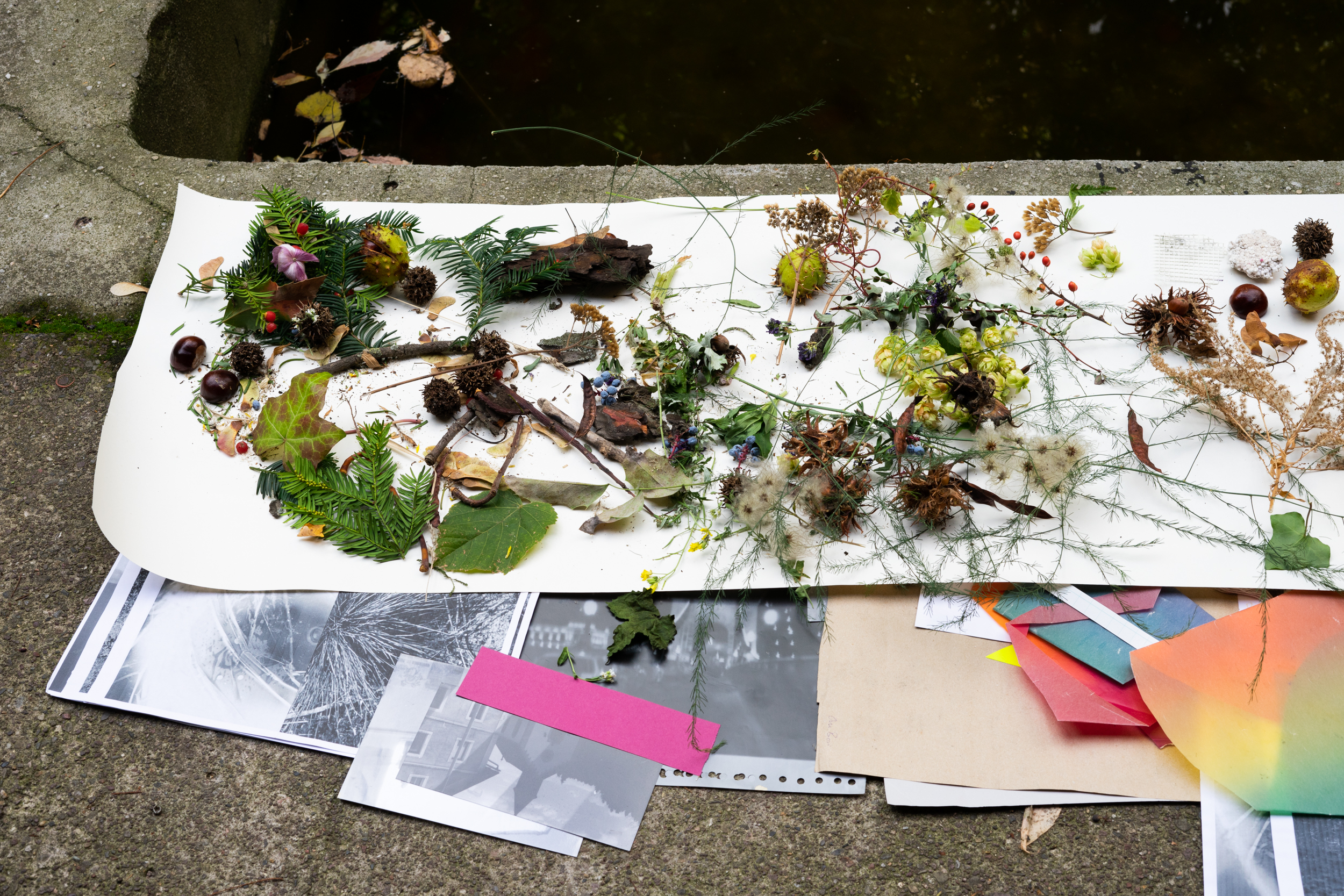
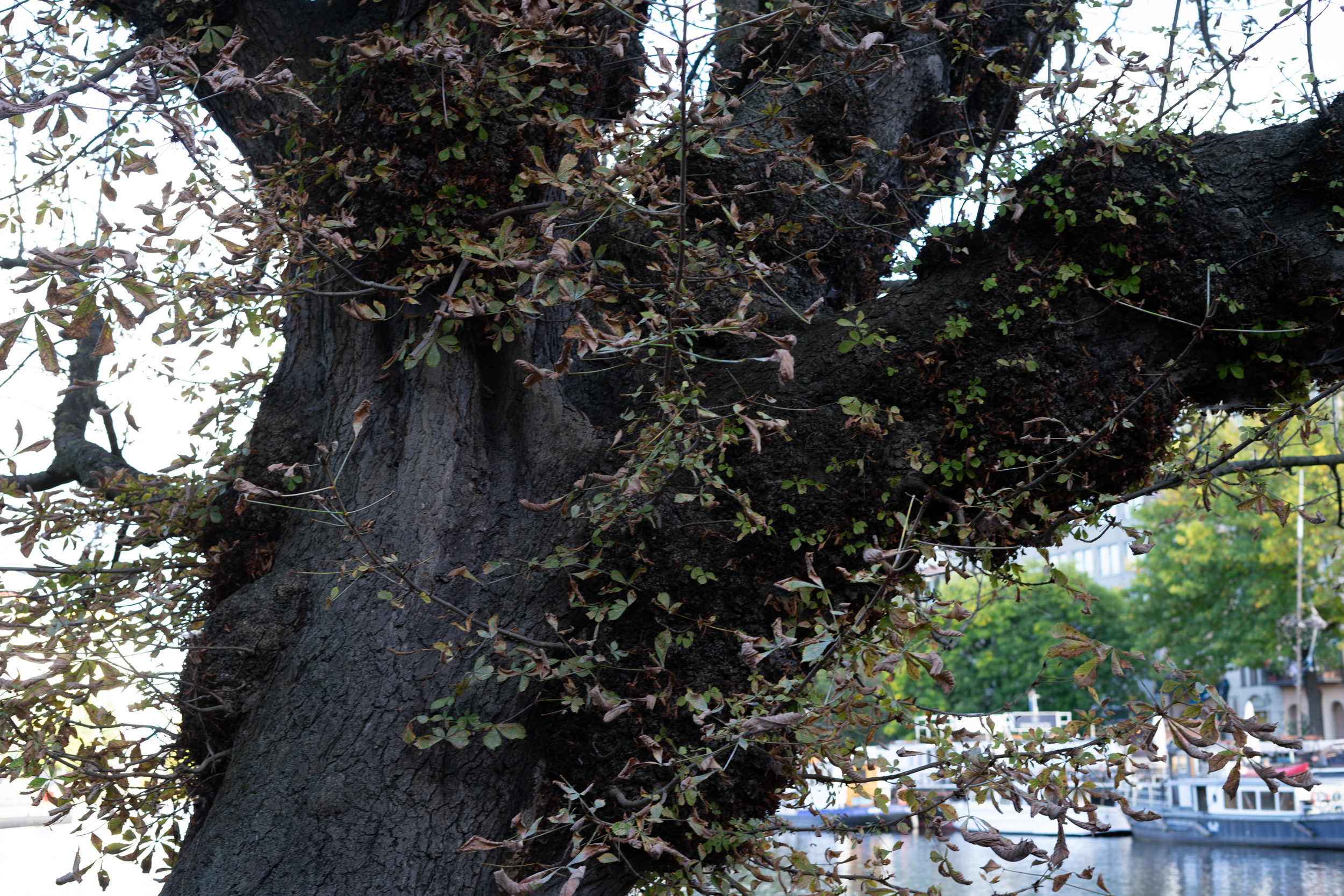
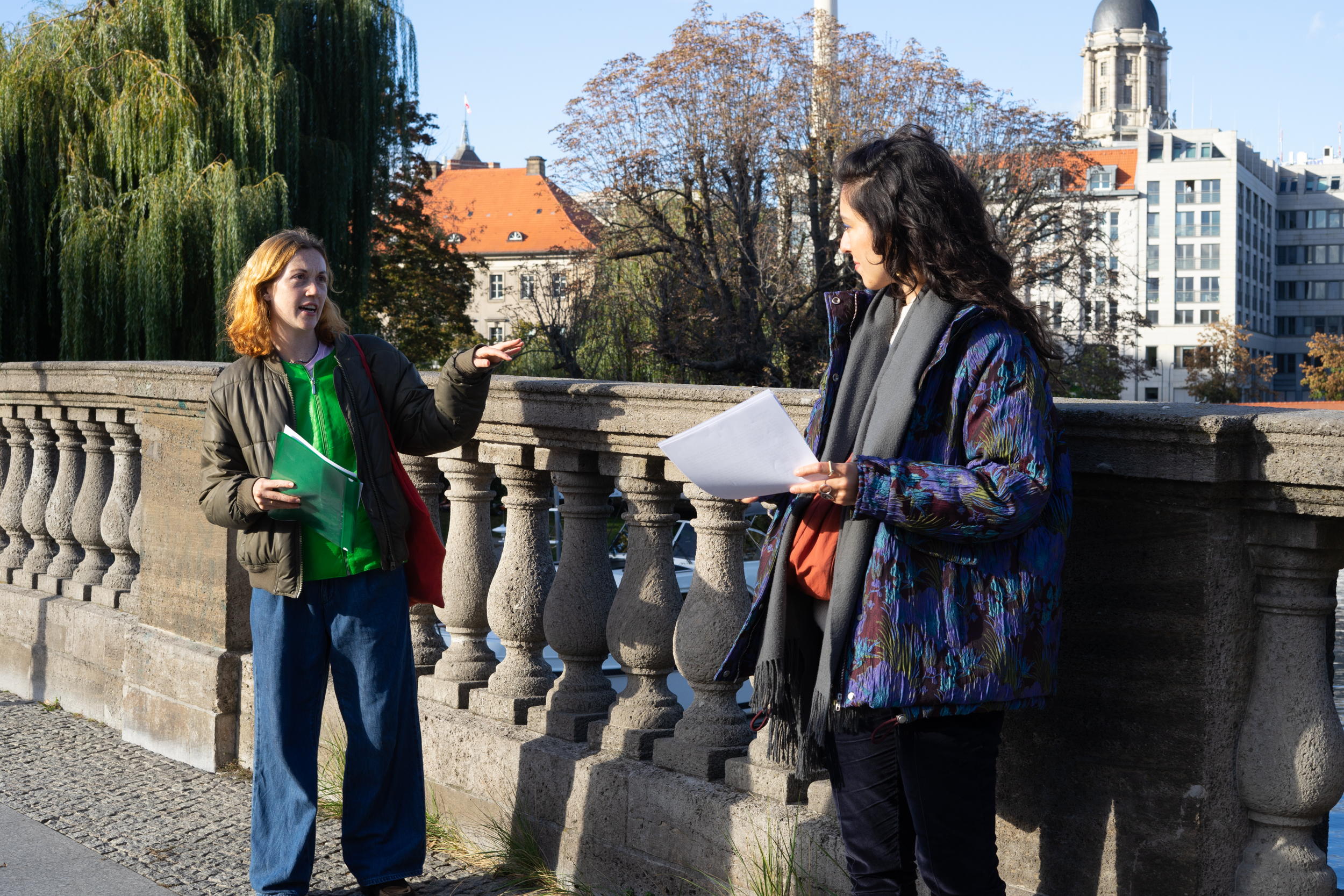
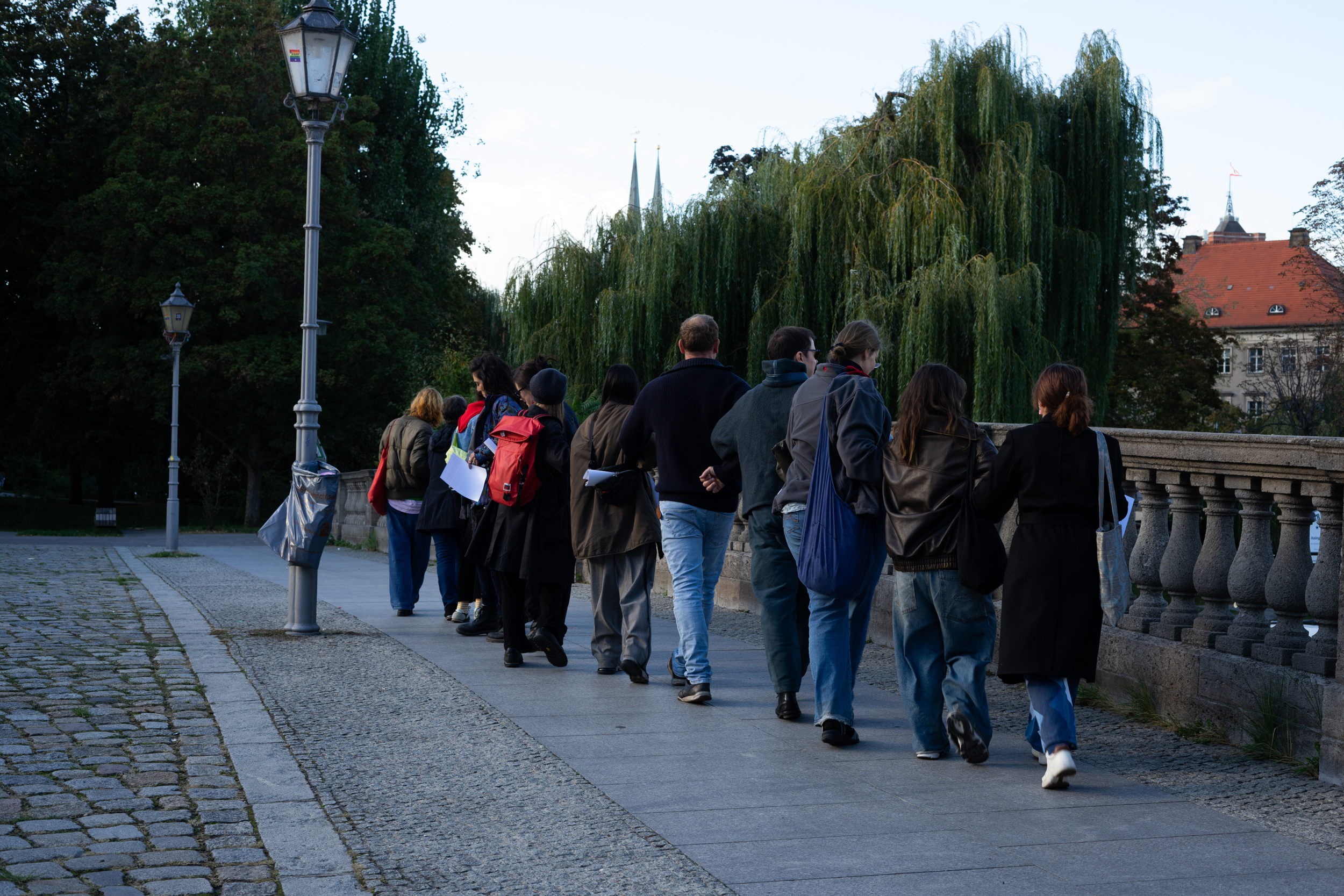
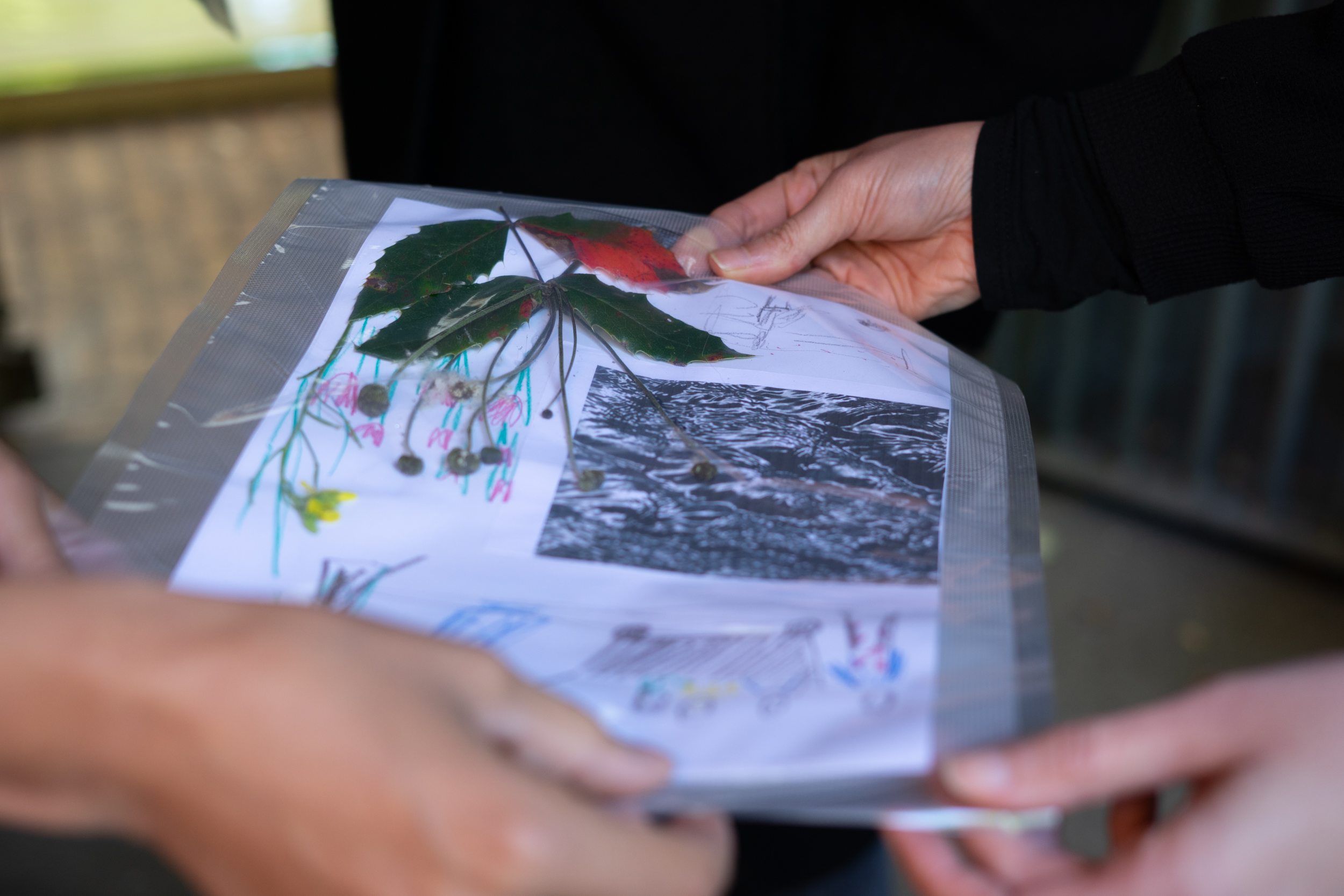
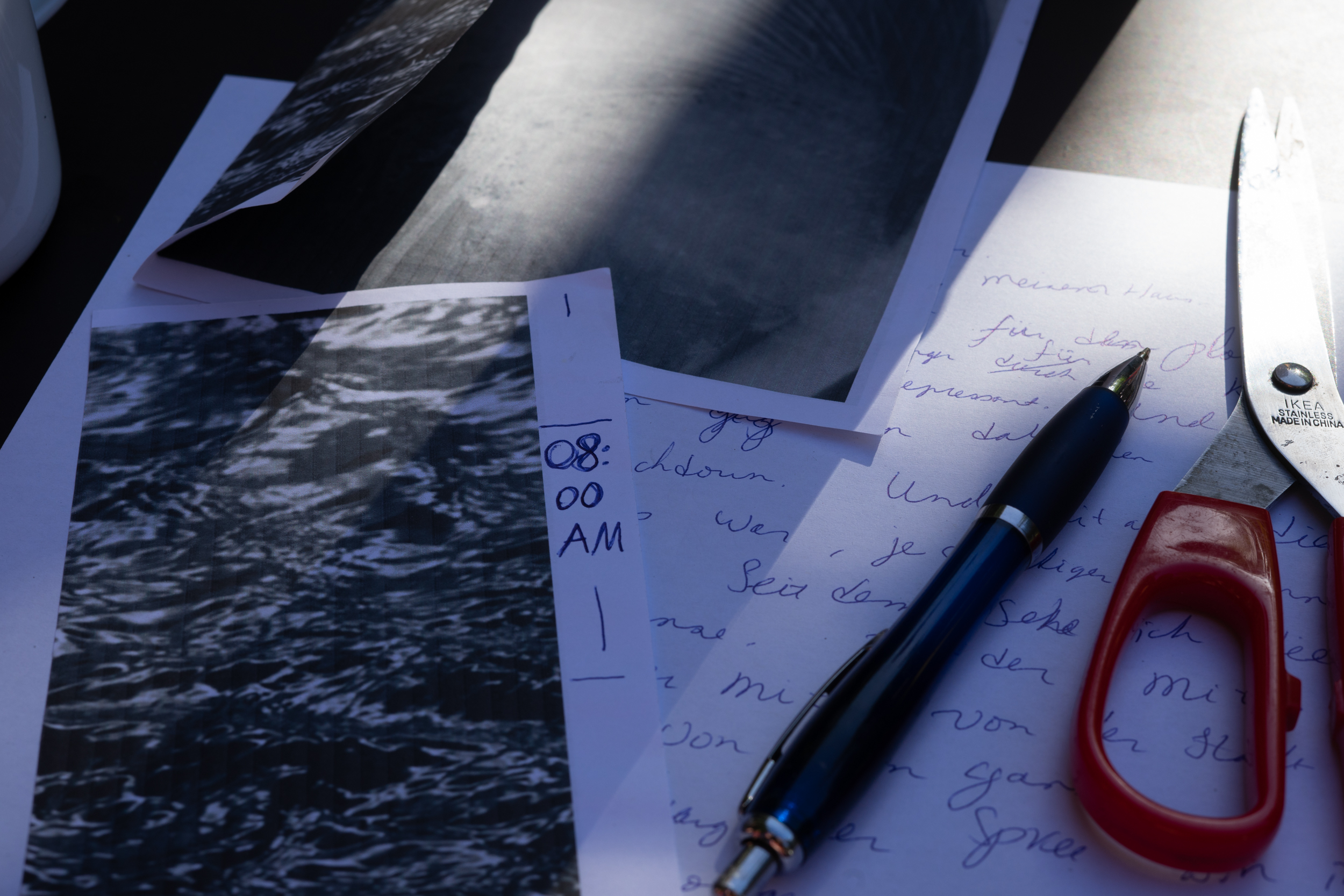
Impressions Day on and along the River with: Workshop ‘Waterways of Memory’ with Om Bori, RIPPLES - Walk along the Spree with Clementine Butler/Gallie (ReRouting) and Viviane Tabach (Co-Making Matters) Screening and lecture by Claire Waffel (artist and researcher) @ Flussbad Berlin
Images by Cleo Wächter
Documentation
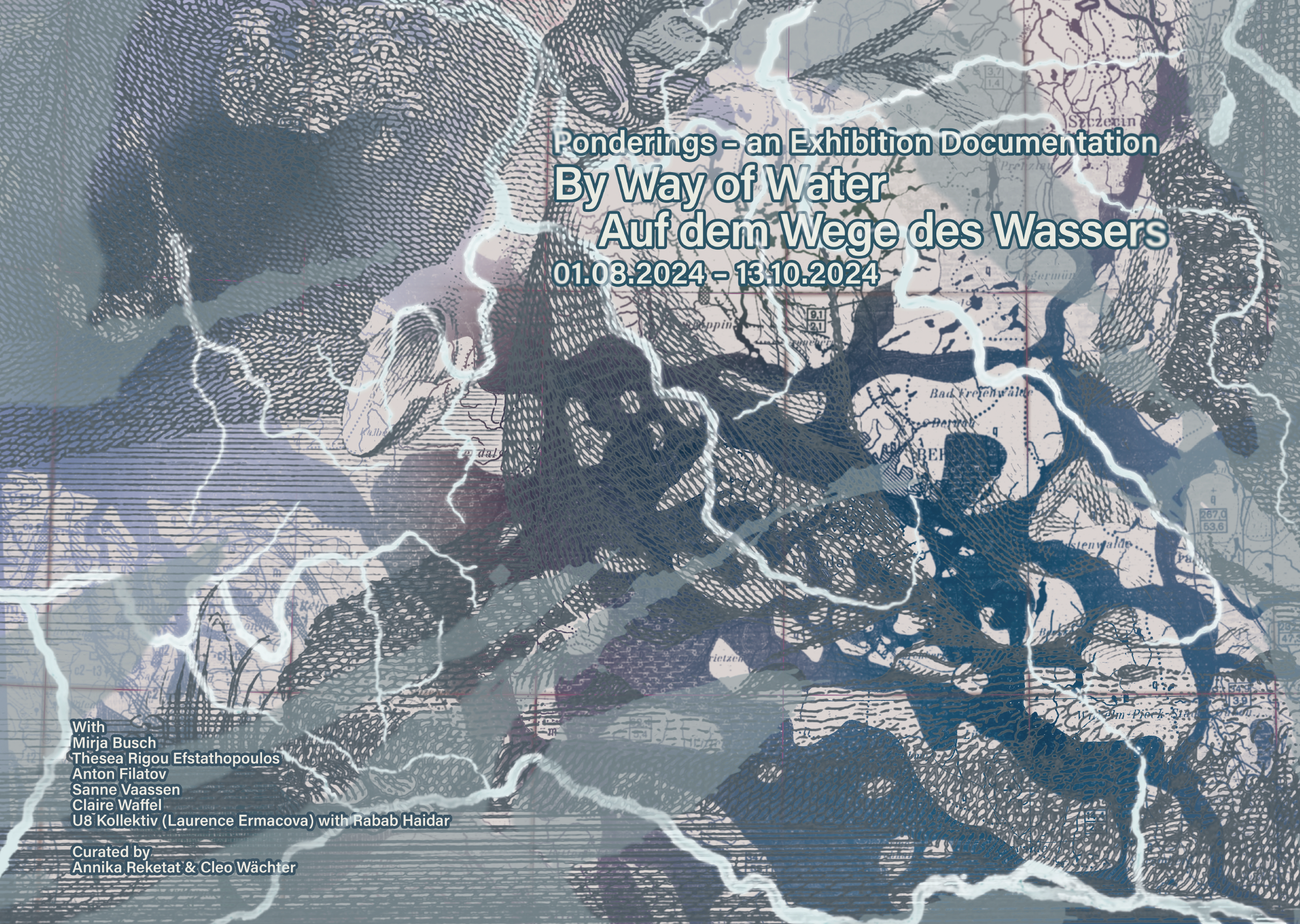
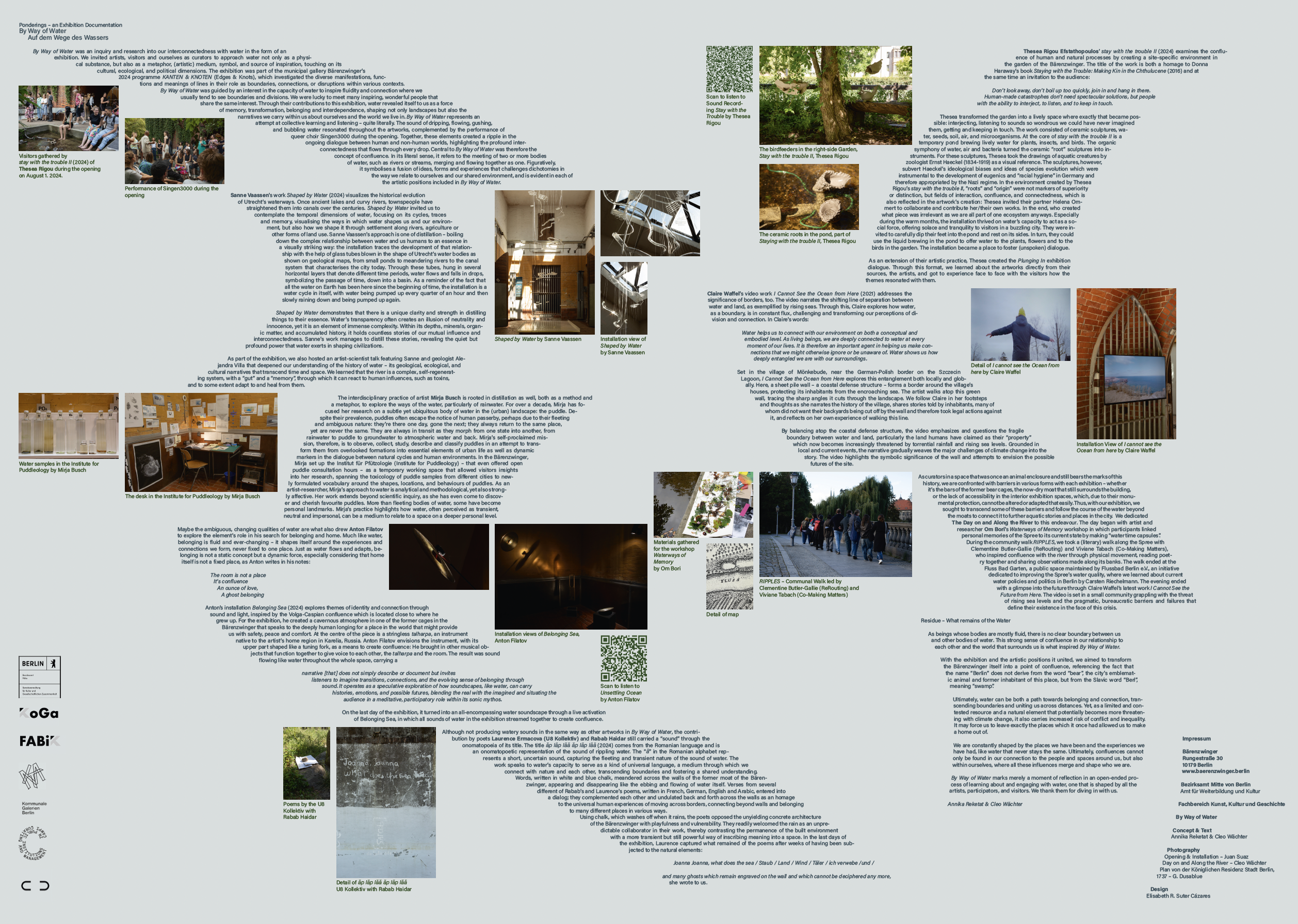
The exhibition continues, but in a different form. After the exhibition-period, we took the time to reflect on and rewrite the exhibition text, incorporating our own reflections and those of the artists on the exhibition period and the events that took place during it.
Find the Reflective Essay Documentation Ponderings, co-authored with Annika Reketat here.
Design by Elisabeth R. Suter Cázares.
Design by Elisabeth R. Suter Cázares.
Credits
With the kind support of the Berlin Senate Department for Culture, Exhibition Remuneration Fund and Exhibition Fund for Municipal Galleries.
“By Way of Water” was the third part of the 2024 exhibition programme EDGES AND KNOTS of the Municipal Gallery Bärenzwinger Berlin, Rungestraße 30, 10179 Berlin
Production: Juliane Beddermann
The curators would like to sincerely thank: The team of Bärenzwinger, Dr Ute Müller-Tischler, Eylem Sengezer, Andrzej Raszyk, Leonora Wirth, Judith Laub, Katrin Winkler, Sigrid Schulze, Lukas Horn, Daniela Sokolowski and Bas de Weerd